Clear protein water has emerged as one of the most technically ambitious and commercially exciting categories in the sports nutrition and functional beverage market. Unlike traditional opaque protein shakes — which mask formulation complexity behind a milky, turbid appearance — clear protein water demands complete transparency in both the literal and figurative sense. The product must be visually crystal-clear, refreshingly light on the palate, and simultaneously deliver meaningful protein content while presenting a clean, vibrant fruity flavor.This convergence of technical challenges — protein solubility, clarity maintenance, flavor stability in acidic environments, and label-friendly ingredient profiles — makes clear protein water formulation one of the most demanding exercises in modern beverage development. This article provides a rigorous, technically grounded guide to developing clear protein waters with high-performance fruity flavor profiles, addressing every stage from protein selection through flavor system design, processing optimization, and regulatory compliance.
1. Market Context: Why Clear Protein Water Is Growing
1.1 The Convergence of Hydration and Protein Supplementation
The global protein supplement market has undergone significant segmentation over the past decade. While traditional whey protein shakes retain a large user base, a distinct consumer segment — broadly characterized as health-conscious but not hardcore gym enthusiasts — has driven demand for lighter, more refreshing protein formats. Clear protein water sits precisely at this intersection: it delivers 15–25 grams of protein per serving in a format that resembles flavored water more than a supplement.Market data consistently shows that this segment is growing faster than the overall protein beverage market. The appeal is multifaceted: lower calorie density than milk-based shakes, perception of better hydration, suitability for consumption during exercise (not just post-workout), and a flavor profile — typically fruit-forward — that matches consumer preference for refreshing, not heavy, taste experiences.
1.2 Consumer Expectation: Light, Clean, and Fruity
Consumer research in the functional beverage category reveals consistent preference patterns for clear protein water. Flavor expectations cluster strongly around:
Citrus profiles: lemon, lime, grapefruit, and orange — prized for their refreshing, palate-cleansing character that complements the light mouthfeel of clear protein water.
Berry variants: raspberry, strawberry, mixed berry, and blackcurrant — offering perceived antioxidant associations alongside vibrant color and flavor.
Tropical profiles: passion fruit, mango, pineapple, and guava — appealing particularly to younger consumer demographics and warm-climate markets.
Watermelon and green apple: increasingly popular as 'sports hydration' flavor associations, linking clear protein water to athletic performance contexts.
These flavor preferences create specific formulation requirements. Fruity flavors must survive the acidic pH environment of most clear protein water formulations (pH 3.0–4.0), maintain stability through pasteurization, and deliver consistent sensory impact without contributing turbidity or color instability.
2. Protein Selection: The Foundation of Clarity
2.1 Whey Protein Isolate as the Preferred Protein Source
The selection of the right protein ingredient is the single most critical formulation decision in clear protein water development. Not all protein sources are compatible with the clarity requirement. Native whey protein isolate (WPI) — produced by cross-flow microfiltration or ion exchange chromatography from fresh cheese whey — is the preferred protein ingredient for clear protein water for several reasons:
High clarity at low pH: WPI is fully soluble and optically clear at pH 3.0–4.5, the typical acidic range of clear protein water formulations.
High protein purity: WPI contains ≥90% protein by dry weight, with very low fat and lactose content that would otherwise contribute turbidity.
Neutral flavor character: high-quality WPI has a clean, mild flavor profile that does not compete with fruity flavor systems.
Rapid acidification solubility: WPI dissolves readily in acidified water systems, unlike whey protein concentrate (WPC) which retains residual fat and lactose that cause haze.
Hydrolyzed whey protein (WPH) offers an alternative with faster absorption kinetics and reduced allergenicity, but the bitter peptide off-notes characteristic of extensive hydrolysis create significant flavor masking challenges. Partial hydrolysates (DH 5–10%) provide a compromise between absorption profile and flavor neutrality.
2.2 Plant-Based Protein Options for Clear Formulations
The growth of vegan sports nutrition has driven interest in plant-based clear protein water formulations. This represents a significantly more complex formulation challenge, as plant proteins are inherently less soluble than WPI in acidic environments. Current options include:
Protein Source
Clarity at pH 3.5
Flavor Challenge
Typical Dosage (g/serving)
Status
Whey Protein Isolate
Excellent
Minimal — clean base
15–25g
Gold standard
Hydrolyzed WPI
Excellent
Bitterness at DH >15%
15–20g
Common
Pea Protein Isolate
Poor (haze)
Earthy, beany
10–20g
Challenging
Pea Protein Hydrolysate
Moderate
Bitter, earthy
10–15g
Emerging
Rice Protein Hydrolysate
Moderate
Slightly earthy
10–20g
Emerging
Fava Bean Protein
Poor–Moderate
Beany, vegetal
10–15g
Experimental
For plant-based clear protein water, pea protein hydrolysates with DH 15–25% currently offer the best available clarity, though significant flavor masking investment is required. Emerging ultrafiltration and enzymatic clarification technologies are improving plant protein clarity, suggesting this segment will expand substantially over the next five years.
2.3 Protein Concentration and Clarity Trade-offs
As protein concentration increases, the clarity challenge intensifies. At 15g WPI per 500ml serving (3.0% protein), clarity is readily achievable with standard acidification. At 25g (5.0%), turbidity risk increases, particularly during cold chain storage. At 30g+ (6.0%+), maintaining clarity across a full 18-month shelf life requires careful pH management, possibly chelating agents, and potentially centrifugal clarification post-production.The protein-to-clarity relationship also interacts with flavoring: some flavor compounds may increase turbidity when combined with protein at higher concentrations. Pre-screening of specific flavor systems at target protein concentrations is essential before committing to commercial formulations.
Protein Water Formulation Lab
Clear protein water formulation shares important hydration-related flavor considerations with electrolyte beverages. For a complementary perspective on flavor trends driving the broader functional hydration market, see our analysis of flavor trends in electrolyte powders, which covers overlapping fruity and sports-functional flavor directions.
3. The pH Challenge: Formulating for Clarity and Flavor in Acidic Environments
3.1 Why Clear Protein Water Must Be Acidic
The acidic pH range (3.0–4.0) in which clear protein water is formulated is not arbitrary — it is the chemistry of clarity. Whey proteins exhibit minimum solubility near their isoelectric point (pI ≈ 5.2). In the pH 4.5–6.0 range, WPI is prone to aggregation and precipitation. By lowering pH to 3.0–4.0, protein molecules carry a net positive charge that promotes electrostatic repulsion between protein chains, maintaining solubility and optical clarity.The acidifying agents used to achieve this pH target also influence flavor character:
Acidulant
pH Range
Flavor Contribution
Effect on Fruity Flavors
Regulatory Status
Citric acid
2.8–4.0
Clean sour, citrus-compatible
Enhances citrus notes; slight metallic at >0.4%
GRAS / E330
Malic acid
3.0–4.5
Tart, apple-like
Excellent with apple, grape, berry
GRAS / E296
Tartaric acid
3.0–4.2
Crisp, wine-like
Good with grape, passion fruit
GRAS / E334
Phosphoric acid
2.5–3.5
Sharp, clean
Neutral; may clash with delicate florals
GRAS / E338
Lactic acid
3.2–4.5
Mild, creamy-sour
Rounds harsh fruit notes; adds smoothness
GRAS / E270
Glucono-delta-lactone
3.5–4.5
Mild, clean
Very neutral; slow acidification
GRAS / E575
For fruity flavor profiles, citric acid combined with malic acid is the most widely used acidulant combination, delivering a synergistic tartness that enhances fruit flavor perception while maintaining protein clarity. The ratio of citric to malic acid (typically 70:30 to 50:50) can be adjusted to tune the specific tartness profile towards citrus or orchard fruit character.
3.2 Buffering and pH Stability During Shelf Life
pH drift during storage is a critical formulation risk in clear protein water. Protein hydrolysis over time can release amino acids and peptides that modestly raise pH towards the protein pI, potentially triggering protein aggregation in long shelf-life products. Strategies to maintain pH stability include:
Buffered acidulant systems: using acid-buffer combinations (e.g., citric acid with potassium citrate) to resist pH drift while avoiding excessive sodium or potassium mineral taste.
Optimized pasteurization: HTST (high-temperature short-time) pasteurization at 72–75°C for 15–30 seconds minimizes thermal protein denaturation and associated pH effects better than longer UHT treatments.
Antioxidant inclusion: ascorbic acid (vitamin C) addition serves dual purpose — oxidation prevention that could affect flavor, and mild pH-buffering contribution at typical usage levels (50–200 mg/serving).
Aseptic filling: for UHT-processed clear protein water, aseptic cold filling minimizes the time product spends at elevated temperatures, reducing cumulative thermal protein stress.
4. Fruity Flavor System Design for Clear Protein Water
4.1 Flavor Chemistry in Acidic Protein Matrices
Designing fruity flavors for clear protein water is not simply a matter of selecting a commercially available fruit flavor and adding it to a protein solution. The combination of low pH, protein presence, and heat processing creates a challenging environment for flavor stability and sensory performance. Key chemical interactions to understand include:
Ester hydrolysis: many fruity flavor esters (ethyl acetate, isoamyl acetate, ethyl butyrate) undergo acid-catalyzed hydrolysis in aqueous solutions, particularly at low pH and elevated temperature. This reduces flavor intensity over time and shifts the aromatic profile as fresh ester notes are lost.
Maillard browning: at low pH and during heat processing, amino acids from WPI can react with reducing sugars (if present) or with carbonyl compounds in flavor systems, generating brown pigments and off-flavors incompatible with the clear, light character of protein water.
Protein-flavor binding: aromatic compounds in fruity flavors can bind to whey protein, particularly β-lactoglobulin, reducing their free headspace concentration and perceived aroma intensity.
Oxidative degradation: terpene-rich citrus flavor compounds (limonene, linalool) are particularly susceptible to oxidation, generating off-notes (terpene oxides, cardboard character) that mask fresh fruit aromatics.
4.2 Flavor Architecture: Building a Stable, High-Impact Fruit Profile
Effective fruity flavor systems for clear protein water are built in layers, each layer addressing specific formulation challenges:Top-note layer (impact and initial perception): Volatile esters and aldehydes provide the first burst of fruit character at opening and first sip. In clear protein water, top-note compounds must be selected for acid stability. Citral (lemon/lemon-lime character), geraniol (rose-citrus), and linalool (floral-citrus) offer better acid stability than highly volatile short-chain esters. Encapsulation of top-note compounds in modified starch or cyclodextrin matrices significantly improves top-note retention through pasteurization and over shelf life.Mid-note layer (body and authenticity): Fruity lactones, larger esters, and terpene alcohols provide the main body of fruit character. These compounds are generally more acid-stable than top-note esters and form the lasting impression of the flavor. γ-Undecalactone (peach), δ-decalactone (peach-coconut), furaneol (strawberry-caramel), and nerolidol (floral-woody) are commonly used body-note materials in clear protein water flavor systems.Base-note and modifier layer: This layer addresses the specific interaction of fruit flavors with protein. Compounds that mask protein-associated astringency, moderate bitterness from WPI hydrolysates, and round tartness from acidulants are included here. Vanillin (at trace levels), maltol, and ethyl maltol are effective sweetness enhancers that also bridge fruit and protein flavor modalities.
4.3 Flavor Format Selection: Water-Soluble Systems for Clear Applications
Flavor format is critical for maintaining clarity in protein water. Oil-soluble flavor concentrates, emulsified flavors, or flavors containing clouding agents are incompatible with the clear protein water category. Appropriate flavor formats include:
Water-soluble (WS) flavor concentrates: flavors formulated entirely with water-miscible carrier solvents (propylene glycol, ethanol, triethyl citrate). These disperse completely in aqueous protein solutions without turbidity contribution.
Spray-dried encapsulated flavors: powder formats using modified starch or maltodextrin as encapsulant, providing oxidative protection and improved top-note retention. Must be confirmed clarity-compatible at usage concentration in the target protein matrix.
Cyclodextrin-complexed flavors: flavor-cyclodextrin inclusion complexes offer exceptional oxidative and thermal stability, with complete aqueous solubility. Optimal for shelf-stable clear protein waters subject to HTST or mild UHT processing.
The choice between water-soluble and oil-soluble flavor formats has significant implications beyond clarity — affecting flavor release kinetics, stability, and dosage efficiency. For a detailed technical comparison, our guide on water soluble vs. oil soluble flavors for beverages provides comprehensive formulation guidance directly applicable to clear protein water development.
4.4 Key Fruity Flavor Profiles: Technical Specifications by Variant
Each major fruity flavor variant for clear protein water presents distinct formulation parameters and technical considerations:
Flavor Variant
Key Aroma Compounds
pH Compatibility
Typical Usage Rate
Main Challenge
Lemon / Lemon-Lime
Citral, limonene, linalool, geraniol
Excellent (3.0–4.5)
0.08–0.15%
Limonene oxidation; citral stability
Raspberry
Raspberry ketone, ionone, esters
Good (3.2–4.5)
0.10–0.18%
Ionone off-note at high dosage
Strawberry
Furaneol, ethyl butanoate, methyl anthranilate
Good (3.0–4.2)
0.10–0.20%
Furaneol browning risk with protein
Passion Fruit
Ethyl butyrate, hexanoate esters, terpinolene
Good (3.2–4.5)
0.12–0.20%
Ester hydrolysis over shelf life
Watermelon
E,Z-2,6-nonadienal, hexanal, nonanal
Moderate (3.5–4.5)
0.10–0.18%
Aldehyde instability at low pH
Mango
Myrcene, limonene, lactones, esters
Good (3.2–4.5)
0.10–0.18%
Terpene oxidation
Grapefruit
Nootkatone, limonene, citral
Excellent (3.0–4.0)
0.08–0.15%
Nootkatone bitterness at high dose
Fruity Flavor Ingredients
5. Sweetener Strategy: Balancing Sweetness, Tartness, and Clean Label
5.1 The Sweetness Challenge in Clear Protein Water
Effective sweetness management is inseparable from fruity flavor performance in clear protein water. Protein itself contributes a slight bitterness and astringency — particularly hydrolyzed WPI — that must be modulated by the sweetener system. The acidulant tartness requires sweetness counterbalancing to achieve an appealing flavor balance. And the fruity flavor profile needs a sweetness foundation to achieve authentic fruit character.Sugar (sucrose) is rarely used in clear protein water — its caloric contribution conflicts with the better-for-you positioning of the category. Calorie-free and low-calorie sweetener options dominate:
Stevia (steviol glycosides, Rebaudioside A or M): most widely used in premium clear protein water for natural/clean label positioning. Rebaudioside M offers improved sweetness quality with reduced lingering bitterness versus Reb A. Usage rate: 0.01–0.03%. Natural status under GRAS and EU Novel Food Regulation.
Monk fruit extract (luo han guo): increasingly used as a stevia alternative or complement. Mogroside V provides clean, rapid sweetness with minimal bitterness. Excellent synergy with stevia at 50:50 blend. Usage rate: 0.01–0.02%.
Sucralose: reliable, cost-effective, and highly stable at low pH. Some consumer resistance to artificial sweetener labels. Usage rate: 0.005–0.012%.
Erythritol: polyol providing mild sweetness and mouthfeel contribution. Often combined with stevia to improve sweetness quality and round tartness. Calorically negligible (0.24 kcal/g). Usage rate: 0.5–2.0%.
Allulose: emerging clean-label option with 70% of sucrose sweetness and <0.4 kcal/g. Improves mouthfeel in clear protein water and provides partial Maillard-suppressed browning resistance.
5.2 Sweetener and Acidulant Interaction with Fruity Flavor Perception
The sweetness-tartness ratio in clear protein water directly modulates perceived fruit character. Research on fruit flavor perception consistently demonstrates that the sweetness-to-acidity balance determines whether a fruit flavor reads as fresh and vibrant or flat and one-dimensional. Key principles:
Higher tartness relative to sweetness pushes citrus and berry flavors towards refreshing, crisp character — appropriate for sports and hydration-focused positioning.
Higher sweetness relative to tartness enhances tropical fruit perception (mango, passion fruit, pineapple) — appropriate for lifestyle and wellness positioning.
Balanced sweetness-tartness (Brix-to-acid ratio 10–14) provides the most versatile flavor platform across multiple fruity variants.
Protein bitterness masking: erythritol and allulose demonstrate superior bitterness-masking properties for WPH off-notes compared to high-intensity sweeteners alone — a critical consideration for hydrolyzed protein formulations.
6. Turbidity Control: Achieving and Maintaining Optical Clarity
6.1 Sources of Turbidity in Protein Water Formulations
Turbidity in clear protein water can arise from multiple sources, each requiring a specific mitigation strategy. According to research published in the Journal of Food Science and Technology, the primary turbidity contributors in protein beverage systems include:
Protein aggregation: thermally denatured or isoelectrically aggregated protein particles scatter light, creating haze. Prevention requires correct pH maintenance and optimized heat treatment.
Mineral-protein complexes: calcium, magnesium, and phosphate ions form insoluble complexes with whey proteins. Sequestrant addition (sodium hexametaphosphate, EDTA-disodium at approved levels) prevents mineral bridging.
Flavor oil droplets: any oil-soluble flavor compound inadequately solubilized in the aqueous system creates micro-droplets that scatter light. Water-soluble flavor formats eliminate this risk.
Polyphenol-protein precipitation: certain natural flavor extracts (e.g., green tea, grape-derived) contain polyphenols that form insoluble complexes with protein. Polyphenol-free or low-polyphenol flavor sources are required.
Microbiological growth: microbial contamination generates cloudiness and off-flavors. GMP manufacturing, validated pasteurization, and aseptic filling eliminate this risk.
6.2 Turbidity Measurement Standards and Specifications
Turbidity is quantified in nephelometric turbidity units (NTU). Clear protein water specifications typically target <10 NTU (visually clear) to <5 NTU (water-clear). Measurement should be performed at production and at intervals throughout the product's stated shelf life at both ambient and refrigerated conditions. The APHA Method 2130 (Turbidity by Nephelometry) provides a standardized measurement protocol aligned with international food industry practice.Accelerated shelf-life testing protocols should include turbidity measurement as a primary quality endpoint, conducted at 25°C/60% RH and 37°C/75% RH conditions alongside the standard refrigerated control. Products exhibiting turbidity increase beyond specification limits at either accelerated condition should be reformulated before commercial launch.
6.3 Fining and Clarification Technologies
When standard formulation approaches are insufficient to achieve target clarity — particularly at higher protein concentrations — processing-level clarification technologies are available:
Centrifugal clarification: high-speed centrifugation (>8,000 × g) removes protein micro-aggregates and flavor oil droplets. Applicable in-line before filling for large-volume production.
Depth filtration: diatomaceous earth or cellulose-based depth filters remove particulates to <1 μm, improving clarity. Common in premium clear protein water production.
Membrane filtration (microfiltration at 0.2–0.45 μm): provides sterile filtration compatible with aseptic filling while simultaneously clarifying the product matrix.
Enzymatic clarification: protease treatment at controlled conditions can improve clarity by reducing protein aggregation tendency — requires careful control to avoid excessive hydrolysis that generates bitterness.
7. Regulatory Compliance for Clear Protein Water
7.1 Protein Content Claims: FDA and EU Standards
Protein content claims on clear protein water packaging are regulated under both U.S. FDA and EU frameworks. Under 21 CFR 101.9 (FDA Nutrition Labeling), protein content must be determined by multiplying total nitrogen (by Kjeldahl or Dumas method) by the nitrogen conversion factor for the protein source (6.25 for whey protein). Protein quality claims (e.g., 'complete protein', 'essential amino acids') require PDCAAS or DIAAS values to substantiate. Whey protein isolate has a PDCAAS of 1.0 (maximum), supporting premium protein quality claims.In the EU, protein claims are regulated under Regulation (EC) No 1924/2006 on nutrition and health claims. 'Source of protein' requires ≥12% of energy from protein; 'high protein' requires ≥20% of energy from protein. For a 500ml clear protein water containing 20g WPI at 80 kcal, protein contributes 40% of energy — readily qualifying for 'high protein' claim.
7.2 Flavor Ingredient Regulatory Status
All flavor compounds used in clear protein water must comply with applicable food flavor regulations. In the United States, the Flavor and Extract Manufacturers Association (FEMA) maintains the GRAS list of flavor substances used at threshold levels — this database provides the primary regulatory reference for flavoring substance safety. EU Regulation (EC) 1334/2008 on flavourings establishes the EU positive list of permitted flavor substances. Flavor suppliers should provide FEMA GRAS number and EU FL number documentation for each flavor component used in clear protein water applications.
7.3 Sweetener Regulatory Compliance by Market
Sweetener regulatory status varies significantly by geography, requiring careful market-by-market compliance management:
Sweetener
US Status
EU Status
China Status
Key Compliance Note
Stevia (Reb A)
GRAS
Approved E960
GB 2760 approved
ADI 4 mg/kg/day steviol equiv.
Stevia (Reb M)
GRAS
Approved (2019)
Pending some forms
Verify specific glycoside approval
Monk Fruit
GRAS
Novel Food (2021)
GB 2760 approved
EU Novel Food requires authorization
Sucralose
GRAS / 21 CFR 172.831
Approved E955
GB 2760 approved
ADI 5 mg/kg/day
Erythritol
GRAS
Approved E968
GB 2760 approved
Laxative effect disclosure >10g/day EU
Allulose
GRAS / FDA 2019
Novel Food (applied)
Not yet approved
Check target market before use
8. Cuiguai Flavor Solutions for Clear Protein Water Development
8.1 Our Fruity Flavor Portfolio for Protein Water Applications
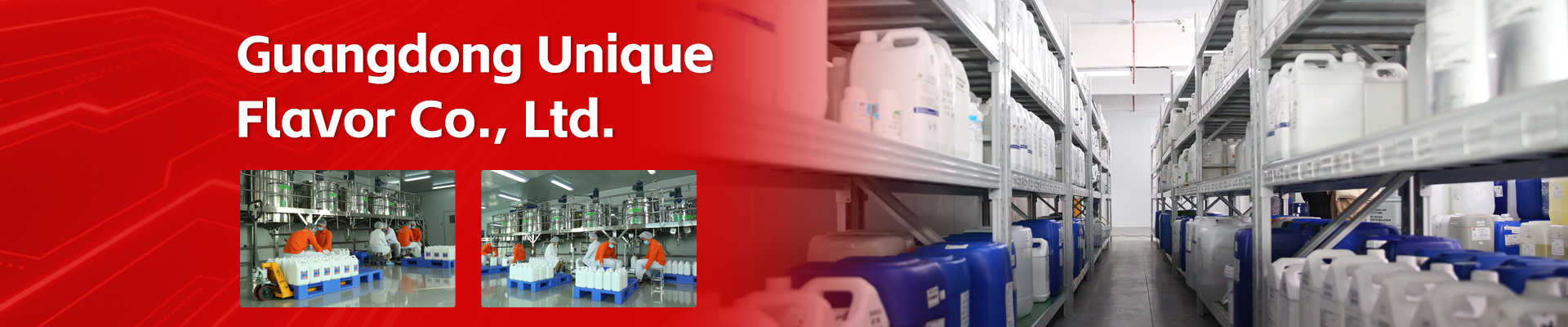
Guangdong Unique Flavor Co., Ltd. (Cuiguai Flavor) has developed a specialized range of water-soluble fruity flavor concentrates specifically engineered for clear protein water applications. Each flavor system in this range is formulated to meet the unique requirements of the clear protein water format: complete water solubility, full clarity at pH 3.0–4.5, thermal stability through HTST pasteurization, and optimized interaction with whey protein isolate at typical usage concentrations.Our clear protein water flavor portfolio includes:
Lemon and Lemon-Lime Series: bright, refreshing citrus profiles with balanced citral content and limonene encapsulation for extended top-note freshness and oxidative stability.
Mixed Berry and Raspberry Series: intense berry character with natural-identical raspberry ketone and ionone levels calibrated to avoid off-note development, with natural acid-stable red color options.
Tropical Fusion Series: passion fruit, mango, and guava profiles constructed from acid-stable ester and lactone compounds, optimized for tropical fruit authenticity in acidic protein water matrices.
Watermelon and Green Apple Series: fresh, light profiles designed for the sports hydration positioning segment, with aldehyde and ester ratios optimized for stability at pH 3.5–4.0.
Grapefruit and Citrus Burst Series: sophisticated citrus profiles combining grapefruit, orange, and lime character with nootkatone levels calibrated to deliver distinctiveness without bitterness.
8.2 Featured Products for Clear Protein Water
Our Fresh Strawberry Flavor is a water-soluble concentrate specially formulated for clear beverage applications, delivering authentic, vibrant strawberry character stable across pH 3.0–4.5 and through HTST pasteurization — ideal for strawberry clear protein water and mixed berry protein water variants.For sports-positioned clear protein water targeting active hydration consumers, our Refreshing Watermelon Flavor provides a clean, crisp watermelon profile with optimized aldehyde stability at low pH, designed to maintain refreshing character throughout the product's shelf life.
8.3 Formulation Support Services
Our flavor and application science team provides end-to-end technical support for clear protein water development projects:
Flavor-protein compatibility screening: pre-formulation testing of flavor systems in your specific WPI source and concentration to identify clarity and flavor interaction risks before full formulation trials.
pH optimization consultation: guidance on acidulant selection and buffering strategies to maintain protein clarity while delivering optimal flavor performance.
Sweetener system recommendations: technical guidance on sweetener combinations that work synergistically with specific fruity flavor systems to achieve optimal taste quality.
Shelf-life flavor stability studies: accelerated stability testing of flavor systems in your product matrix, providing data to support shelf-life claims.
Regulatory documentation: provision of flavor ingredient regulatory status documentation (FEMA GRAS, EU FL numbers) for all flavor compounds used in our clear protein water flavor systems.
9. Processing Optimization for Clear Protein Water Production
9.1 Mixing and Hydration Sequence
The sequence of ingredient addition during manufacturing critically affects the final clarity of clear protein water. The recommended manufacturing sequence for a standard HTST-processed clear protein water is:
Step 1 — Water preparation: start with RO (reverse osmosis) or deionized water at 15–20°C. Mineral reduction minimizes protein-mineral complex formation. Water hardness should be below 50 mg/L as CaCO₃.
Step 2 — WPI hydration: add WPI slowly to water under moderate agitation. Allow 15–20 minutes hydration before acidification. Over-agitation during hydration increases foam and protein denaturation risk.
Step 4 — Sweetener addition: dissolve high-intensity sweeteners and add erythritol or allulose after acidification, as solubility is maintained at low pH.
Step 5 — Flavor addition: add water-soluble flavor concentrate last, under gentle agitation. Avoid addition before acidification, as flavor compounds may interact with protein at neutral pH.
Step 6 — Turbidity check: measure NTU before proceeding to pasteurization. Investigate and address any turbidity >15 NTU before heat treatment.
Step 8 — Clarification (if required): centrifugation or depth filtration before aseptic filling.
Step 9 — Filling: aseptic cold filling preferred for premium products; hot fill at ≥82°C for 30 seconds for standard shelf-stable formats.
9.2 Packaging Compatibility and Light Protection
Clear protein water is typically packaged in PET bottles to maximize visual clarity — the transparency that is central to the product's consumer appeal. However, PET offers minimal UV protection, and many fruity flavor compounds (particularly terpene-rich citrus flavors) are sensitive to UV-induced photo-oxidation. Mitigation strategies include:
UV-barrier PET: coextruded or UV-absorbing additive PET that blocks >99% of UV-A/UV-B radiation while maintaining visual transparency.
Nitrogen headspace flush: replacing oxygen in the bottle headspace with nitrogen before capping reduces oxidative flavor degradation.
Antioxidant addition: ascorbic acid (100–250 mg/serving) and mixed tocopherols provide both label-friendly antioxidant claims and genuine oxidative protection for labile flavor compounds.
Opaque label coverage: even for nominally transparent bottles, full-wrap labels covering the product zone can significantly reduce light exposure during retail display.
Protein Water Flavor Manufacturing
10. Frequently Asked Questions
Q1: What is the best protein source for clear protein water?
Whey protein isolate (WPI) produced by cross-flow microfiltration or ion exchange is the gold standard for clear protein water. WPI achieves optical clarity at pH 3.0–4.5, where it is fully soluble with minimal turbidity contribution. Hydrolyzed WPI is an alternative offering faster absorption and reduced allergenicity but requires more careful flavor masking to address bitterness. Plant-based proteins (pea, rice hydrolysates) are achievable but technically more challenging and typically produce lower initial clarity.
Q2: Why must clear protein water be formulated at low pH?
Whey proteins have an isoelectric point (pI) near pH 5.2, where net charge is zero and protein-protein interactions cause aggregation and turbidity. By formulating at pH 3.0–4.0, protein molecules carry a net positive charge, creating electrostatic repulsion that maintains protein solubility and optical clarity. The low pH also provides a naturally acidic taste environment that enhances fruity flavor perception.
Q3: Which fruity flavors are most stable in clear protein water?
Citrus profiles (lemon, lemon-lime, grapefruit) demonstrate the best overall stability in clear protein water, primarily because citral and linalool are more acid-stable than many other fruit aroma compounds. Berry flavors (raspberry, mixed berry) are generally stable with careful ester and ionone management. Watermelon and green apple are more challenging due to aldehyde instability at low pH. Proper flavor format selection (water-soluble, cyclodextrin-encapsulated) significantly improves stability across all fruit variants.
Q4: Can I use natural flavors in clear protein water to meet clean label requirements?
Yes — natural fruity flavor concentrates using water-soluble carrier solvents (propylene glycol, ethanol) are fully compatible with clear protein water formulations and support 'natural flavor' label declarations under FDA 21 CFR 101.22. The key requirement is that the flavor system must be formulated without oil-soluble components, emulsifiers, or clouding agents that would compromise clarity. Suppliers should provide Certificates of Naturalness and confirm that all flavor compounds comply with applicable natural flavor regulations.
Q5: How do I prevent turbidity development during shelf life?
Turbidity during shelf life typically results from pH drift towards the protein isoelectric point, mineral-protein complex formation, or flavor oil droplet coalescence. Prevention measures include: using buffered acidulant systems to maintain pH stability, minimizing mineral content through RO water preparation and avoiding mineral-rich additives, using only water-soluble flavor formats, and optimizing pasteurization to minimize protein denaturation. Accelerated shelf-life turbidity testing at 37°C/75% RH provides early warning before commercial launch.
Q6: What sweeteners work best with fruity flavors in clear protein water?
Rebaudioside M (stevia) combined with erythritol is considered the premium combination — Reb M provides clean, rapid sweetness without bitterness, while erythritol adds mouthfeel and rounds tartness. Monk fruit extract is an effective alternative or complement to stevia. For cost-sensitive formulations, sucralose at 0.006–0.010% combined with erythritol delivers good results. Avoid high Rebaudioside A levels (above 0.015%) as lingering bitterness competes with fruity flavor freshness.
Q7: What NTU specification should clear protein water target?
Premium clear protein water typically targets <5 NTU (water-clear appearance) throughout its stated shelf life. Standard clear protein water may accept <10 NTU. These specifications should be maintained at both refrigerated (4°C) and ambient (25°C) storage temperatures across the full shelf-life period. Turbidity testing should be included in both production QC protocols and shelf-life validation studies.
Q8: What processing method is recommended for clear protein water?
HTST (high-temperature short-time) pasteurization at 72–75°C for 15–30 seconds, followed by rapid cooling and aseptic cold filling, is the preferred processing approach for premium clear protein water. This minimizes cumulative thermal protein stress compared to longer HTST holds or UHT processing, preserving WPI solubility and fruity flavor top-note integrity. Hot fill at ≥82°C for 30 seconds is used for standard shelf-stable products but increases flavor degradation and requires higher initial flavor dosage.
11. Conclusion
Developing clear protein water with fruity flavor profiles represents one of the most technically demanding — and commercially rewarding — challenges in modern beverage formulation. Success requires precise command of protein chemistry, pH management, flavor system design, sweetener science, and processing technology, all working in concert to deliver a product that is simultaneously crystal-clear, protein-rich, refreshing, and authentically fruity.The market opportunity is substantial and growing. As consumer preferences continue to evolve towards lighter, cleaner protein formats, clear protein water is positioned to become a dominant segment within the broader functional beverage landscape. Manufacturers who invest in the formulation science to solve clarity, flavor stability, and regulatory compliance challenges now will be best positioned to capitalize on this growth.Guangdong Unique Flavor Co., Ltd. stands ready to support clear protein water developers at every stage of this formulation journey — from water-soluble fruity flavor systems engineered for protein matrix compatibility to full technical consultation on clarity optimization, sweetener selection, and shelf-life validation. Contact our team to discuss your specific formulation requirements and request samples from our clear protein water flavor portfolio.
Contact Us for Samples and Technical Consultation
Ready to develop your clear protein water product with a fruity flavor system that delivers exceptional clarity, stability, and sensory impact? Contact our technical team for complimentary samples, application support, and formulation consultation.📞 Phone / WhatsApp / Telegram: +86 189 2926 7983🌐 Website: https://www.cuiguai.cn📧 Email: info@cuiguai.com💬 WhatsApp & Telegram: +86 189 2926 7983
References
[1] U.S. Food and Drug Administration. (2024). 21 CFR 101.9 — Nutrition Labeling of Food. Code of Federal Regulations. https://www.ecfr.gov/current/title-21/chapter-I/subchapter-B/part-101/section-101.9[2] U.S. Food and Drug Administration. (2024). 21 CFR 101.22 — Foods; Labeling of Spices, Flavorings, Colorings, and Chemical Preservatives. Code of Federal Regulations. https://www.ecfr.gov/current/title-21/chapter-I/subchapter-B/part-101/section-101.22[3] European Commission. (2006). Regulation (EC) No 1924/2006 of the European Parliament and of the Council on nutrition and health claims made on foods. Official Journal of the European Union. https://eur-lex.europa.eu/legal-content/EN/TXT/?uri=CELEX:32006R1924[4] European Commission. (2008). Regulation (EC) No 1334/2008 on flavourings and certain food ingredients with flavouring properties for use in and on foods. Official Journal of the European Union. https://eur-lex.europa.eu/legal-content/EN/TXT/?uri=CELEX:32008R1334[5] Flavor and Extract Manufacturers Association (FEMA). (2024). FEMA GRAS Flavoring Substances. Washington, D.C.: FEMA. https://www.femaflavor.org/gras[6] Foegeding, E. A., & Davis, J. P. (2011). Food protein functionality: A comprehensive approach. Food Hydrocolloids, 25(8), 1853–1864. https://doi.org/10.1016/j.foodhyd.2011.05.008[7] APHA. (2017). Standard Method 2130: Turbidity by Nephelometry. Standard Methods for the Examination of Water and Wastewater (23rd ed.). American Public Health Association.[8] Morales, F. J., & van Boekel, M. A. J. S. (1998). A study on advanced Maillard reaction in heated casein/sugar solutions: colour formation. International Dairy Journal, 8(10–11), 907–915.