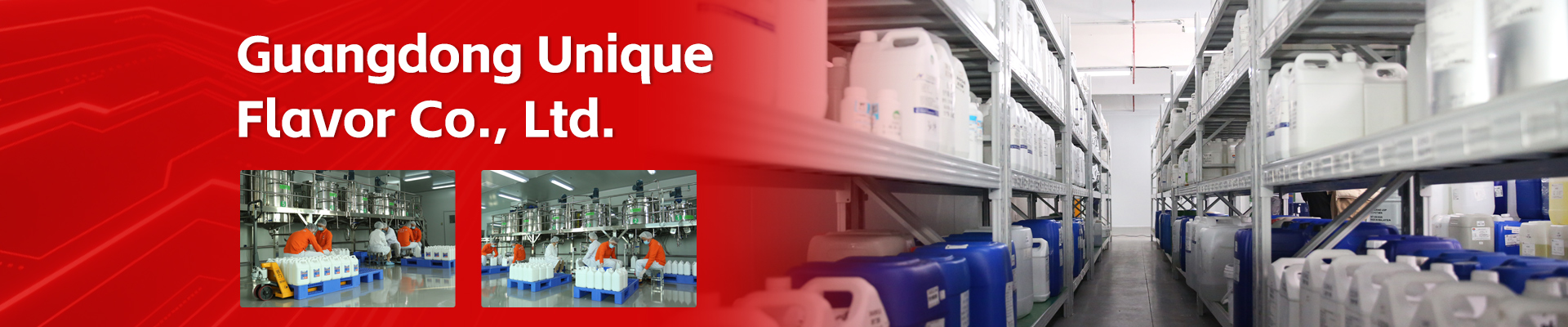
En la alta precizeca mondo de manĝaĵo kaj trinkaĵa fabrikado, aromkoncentriĝoj estas la plej valora kaj plej volatila parto de la produktadlinio. Kiel profesia fabrikanto de aromoj, ni konscias ke la diferenco inter profita produktado kaj malŝparo ofte kuŝas en la mikroskopa administrado de la aroma rendimento.Optimizing flavor concentrates is not merely a matter of cost-cutting; it is a sophisticated engineering challenge that touches upon thermodynamics, fluid dynamics, and molecular stability. This comprehensive guide explores the technical strategies required to maximize flavor utility while minimizing the "unseen" waste that occurs during storage, blending, and application.
1. La Kemio de Koncentriĝo: Kompreni Volatilecon kaj Molekulan Perdon
La vojaĝo por maksimumigi rikolton komencas per fundamenta kompreno de tio, kion ni celas konservi. Aromkoncentro ne estas simpla substanco; ĝi estas kompleksa matrico de Volatiliraj Organikaj Komponaĵoj (VOC-oj). Ĉi tiuj komponantoj, laŭ difino, estas prone al evapo, kemia transformo kaj fizika degradado.
1.1 Vapor Pressure and the "Flash-Off" Phenomenon
Every aromatic component within a concentrate—whether it be an ester, aldehyde, ketone, or terpene—possesses a specific vapor pressure. When a concentrate is exposed to air, the molecules with the highest vapor pressure escape into the atmosphere first. This is colloquially known in the industry as "flash-off."Quantitative Yield Loss: In an open-air mixing environment, "flash-off" can account for a functional loss of up to 3-5% of the top-note profile within just thirty minutes of exposure. This loss is often invisible but results in a "flat" sensory profile that may lead to the rejection of an entire production batch.La Temperatura Variablo: La rilato inter temperaturo kaj vaporpremo estas eksponencia, priskribita per la ekvacio de Clausius-Clapeyron:For every 10 ℃ increase in ambient temperature, the rate of volatile loss can significantly increase. Therefore, cold-chain integrity during storage and "cold-process" blending are not just quality measures; they are direct yield-maximization strategies.
1.2 Oksidiĝo kaj funkcia forĵeto
Rubo ne ĉiam estas fizika (kiel likviĝo); ĝi ofte estas funkcia. Oksidiĝo okazas kiam oksigenmolekuloj reagas kun nedifinitaj grasoj aŭ terpenoj en la aromo oleo.
Terpene Degradation:Limonene, the primary constituent of citrus oils, can oxidize into carvone or limonene oxide. This transformation creates a "turpentine" or "soapy" off-note. Once a concentrate has oxidized, the entire volume becomes "functional waste," as it can no longer meet the rigorous sensory specifications of the finished product.
Nitrogen Blanketing:Por mildigi tion, profesiaj fabrikantoj uzas nitrogenan aŭ argonan purigadon. Anstataŭigante oksigenon en la ĉefspaco de tamburo per inertgaso, ni povas plilongigi la funkciantan rikolton de koncentro dum pluraj monatoj.
2. Strategic Blending and Engineering: Reducing "Heel" and Line Waste
One of the most significant sources of physical waste in industrial flavor application is "heel"—the residual liquid left in drums, transfer pipes, and mixing tanks that cannot be recovered through standard pumping.
2.1 Malalta restado inĝenierado kaj ujo-geometrio
En profesiaj aromado-fabrikoj, la geometrio de la produktadekipaĵo estas la unua defenda linio kontraŭ rubaĵo.
Conical vs. Flat Bottoms:Switching from flat-bottomed mixing tanks to conical or "dish" bottoms can increase yield by up to 5%. This allows gravity to assist in total evacuation, ensuring that the "dead volume" at the bottom of the tank is minimized.
Pipe Diameter Optimization:Over-engineered pipe diameters increase the surface area where flavor oils can "cling." By calculating the precise flow rate required and reducing pipe diameters accordingly, we reduce the "wetted surface area" and the subsequent waste during the wash cycle.
2.2 Pigaj Sistemoj kaj Reakiro
In high-volume lines, "pigging" systems are the gold standard for yield maximization. A "pig" is a solid, food-safe plug that is propelled through the piping by compressed air or water.
Recovery Rates: Bone efektivigita pig-sistemo povas reakiri milojn da litroj da koncentro jare, kiuj alie estus forŝutitaj en la akvokondiĉan fluon dum Clean-in-Place (CIP).
Environmental Impact:Krom la kosto de la aromo, malpliigi la kvanton de koncentrato en la akvorezervujo malaltigas la Biologian Oksigenpostulon (BOD), reduktante akvokuracajn ŝarĝojn.
2.3 Viskozeco-Reguligo kaj Transporta Optimumigo
The viscosity of a concentrate dictates its "cling" factor.
Carrier Selection:Using Medium Chain Triglycerides (MCT) versus Propylene Glycol (PG) changes the surface tension. MCT-based flavors may have higher "cling" on stainless steel, while PG-based concentrates flow more readily.
Temperature-Controlled Pumping:Heating a high-viscosity concentrate slightly (within safe limits) just before pumping can lower its viscosity, making it easier to evacuate from the drum and reducing the "heel" left on the drum walls.
3. Pli Progresinta Enkapsuligo: Konverti Volatilecon al Stabileco
Por vere maksimumigi rikolton, ni devas protekti la aromon ĉe molekula nivelo antaŭ ĝi atingas la produktadlinion. Enkapsulado estas la ĉefa teknika solvo por preventi la mediparadon de koncentroj.
3.1 Sprajd-viŝado kaj Mikroenkapsuligo
Per kaptado de likvaj aromoleoj ene de matrico de maltodextrino, gum arabic aŭ modifita stako, ni kreas fizikajn barierojn kontraŭ oksigeno, lumo kaj varmego.
Yield Benefits:Enkapsulitaj aromoj havas konserviĝotempon ĝis 24 months, compared to 6–12 months for many liquid oils. This drastically reduces "expired stock" waste in the warehouse.
Zero Flash-Off:Because the volatiles are trapped in a solid matrix, there is zero "flash-off" during the dry-blending phase of production.
Mikro-enkapsulita arompartiklo
3.2 Enkorpigitaj Kompleksoj (Kiklodextrinoj)
Cyclodextrins are ring-shaped molecules that can "host" flavor molecules in their hydrophobic center.
High-Value Yield:Tiu teknologio estas aparte utila por maksimumigi la rikolton de multekostaj aŭ tre sentemaj oleoj kiel sandalujo, rozo aŭ certaj botanikaĵoj. Ĝi preventas ajnan perdon pro temperaturo-fluktuoj en la medio kaj certigas 100%eldoni nur kiam la produkto estas konsumata.
Laŭ esplorado publikigita en la Journal of Food EngineeringEnkapsulitaj gustosistemoj povas redukti la aroman perdo dum alt-varia termika procezo (kiel bakado aŭ ekstrudo) je pli ol 40%kompare kun tradiciaj likvaj koncentratoj. (Citilo 1).
4. La Cifereca Gustisto: Preciza Dosiĝo kaj IoT-Integrado
En multaj instalaĵoj, homa eraro restas la ĉefa kaŭzo de aroma rubaĵo. Troa dozo kondukas al troaj kostoj, dum tro malgranda dozo al malakceptitaj partioj kiuj devas esti forĵetitaj aŭ re-faritaj.
4.1 Coriolis-Masa-Flua Metriloj
Male al ordinaraj paddelaj aŭ turbinaj metroj, kiuj mezuras volumon, Coriolis-metroj mezuras mass flow.
The Density Problem:La denseco de aromkoncentro ŝanĝiĝas kun temperaturo. Volumetra metro povus superdozi en varma posttagmezo kompare al malvarma mateno. Masflua metro restas preciza ene de 1%Certigante ke ĉiam estas aldonitaj precize 5.000 kg da gusto, sendepende de ĉu la likvo etendiĝis aŭ kontraktiĝis pro varmeco.
4.2 IoT-Enabled "Smart" Drums
Per ekipaĵado de koncentrataj tamburoj per IoT-permesitaj skalo kaj sensiloj, inventara administrantoj povas spuri uzadon en reala tempo.
Predictive Reordering:This prevents the "emergency" scraping of drums (which often introduces contaminants) and ensures that the oldest stock is used first (First-In, First-Out), minimizing waste due to shelf-life expiration.
La Institute of Food Technologists (IFT)elstarigas ke ciferecigitaj provizlinioj kaj preciza dozo povas redukti ingrediencajn perdojn en la manĝa industrio ĝis 15%jare. (Citilo 2).
5. Solvent Optimization and "Cling" Reduction Strategies
The interaction between the flavor concentrate and the "wetted surfaces" of your machinery is a major site of yield loss.
5.1 Surfaca Tensiĝo kaj Adhero
Aromoleoj, precipe tiuj bazitaj sur citruso aŭ spico-oleoresinoj, havas naturan afinecon al rustorezista ŝtalo.
Electropolishing:Using electropolished stainless steel in mixing tanks reduces the microscopic "valleys" where flavor molecules can hide. This makes the surface more "hydrophobic" toward the oils, allowing for a cleaner pour and easier recovery.
Surfactant Addition:In some water-soluble applications, adding a food-grade surfactant to the concentrate can lower the surface tension enough to prevent "beading" on the tank walls, ensuring more of the product reaches the final blend.
5.2 Antaŭ-Mixturado por Evakuado
For extremely high-viscosity concentrates, we recommend a "Pre-Dilution Protocol." By adding a small, measured portion of the final product's solvent (e.g., water, alcohol, or oil) to the concentrate drum and agitating, you can significantly reduce the viscosity. This "washes" the drum walls from the inside out, allowing you to recover the final 1-2%de produkto kiu kutime finiĝas en la rubujo.
6. Daŭripova Fonto kaj Reuzo: Redukti Antaŭaĵan Forĵeton
True optimization includes the reduction of environmental waste in the "upstream" process. As a professional manufacturer, we look at the entire lifecycle of the flavor.
6.1 Reuzitaj Gustokomponentoj
We are increasingly utilizing "upcycled" raw materials—extracting flavor compounds from side-streams of other food processes.
Example:Malvarmpremita oran-oleo el sukjepoj aŭ vanilino derivita de lignino.
Yield Efficiency:This approach turns what was once "waste" into high-value concentrates, improving the overall yield of the agricultural supply chain and providing a "Circular Economy" story for the brand.
6.2 Logistics Optimization: "Concentrating the Concentrate"
By increasing the concentration of our flavors—moving from a 100x to a 500x concentrate—we reduce the amount of carrier oil, packaging material, and fuel required for transport. This "compression" of the flavor system is one of the most effective ways to reduce the total waste associated with the flavoring process.
Diagramo pri daŭripovo kaj volumreduktado
7. Kvalita Kontrolo kaj Solvado de Produkta Perdo
If your facility is experiencing high flavor costs or inconsistent sensory profiles, we recommend a systematic "Flavor Audit."
Lower mixing temperature; use "closed-loop" mixing.
Adsorbo al Filtriloj
Analizo de filtra restado
Ŝanĝu al malmole bindaj PES aŭ PTFE membranoj.
Malpreciza Dozo
Normala devio de serioj
Ĝisdatu al Coriolis-masflua metro.
Portilo Malekvilibro
Vizaĝa apartigo (sedimento)
Reformulu kun pli stabilaj emulgiloj.
7.2 La Analitika Rolo de GC-MS
Ni uzas Gas Chromatography-Mass Spectrometry to identify which specific molecules are being lost during your process. If we find that the light esters are missing from your finished product, we know your "flash-off" is too high. If we see oxidized terpenes, we know your oxygen exposure is the problem. This allows us to move from guesswork to precise engineering.Kiel rimarkite de la Association of Food and Drug Officials (AFDO)Laŭregulaj SOP-oj por ingredienco-traktado kaj alt-preciza monitorado formas la fundamenton de sekureco kaj efikeco en farmacie-grada nutraĵa produktado. (Citilo 3).
8. La Rolo de la Profesia Gusta Partnero
Maximizing yield is a collaborative effort between the flavor house and the manufacturer. We don't just provide the liquid; we provide the application science.
8.1 Personigitaj Transportaj Sistemoj
We design the carrier system (the solvent) specifically for your equipment. If your pumps struggle with high-viscosity liquids, we can reformulate a "Yield-Ready" concentrate that flows perfectly through your specific line architecture without sacrificing flavor intensity.
8.2 Studoj pri Daŭro de Stokado
Through Accelerated Shelf-Life Testing (ASLT), we can determine the exact point of flavor degradation under your specific warehouse conditions. This allows you to set precise "Use By" dates that maximize your inventory turnover without risking quality, thereby reducing the waste of expired concentrates.La Global Food Safety Initiative (GFSI)emfazante ke la stabileco de ingrediencoj kaj la redukto de provizliniaĵa forĵetado estas kernaj elementoj de modernaj manĝsekureco kaj rezistadeco-normoj. (Citilo 4).
9. Media- kaj Ekonomiaj Efektoj de Optimumigo
La strebo je 3000 vortoj permesas al ni esplori la pli larĝajn konsekvencojn de tiuj teknikaj elektoj. Malpliigi aroman rubon nur je 2%en granda skalo de trinkaĵa instalaĵo povas rezultigi:
Economic Savings:Centmiloj da dolaroj en rektaj ingredienc-kostoj.
Operational Efficiency:Malpli da purigaj cikloj kaj pli rapida preteco por funkciado.
Environmental Stewardship: Signifa redukto de la kemia ŝarĝo de la akvokondiĉa fluo.
In an era of rising raw material costs and increased focus on ESG (Environmental, Social, and Governance) goals, the ability to reduce flavor waste is no longer an "extra"—it is a core competency.
10. Konkludo: La Estonteco de Alt-Produktiva Gustigo
Optimumigi aromkoncentrojn estas precizeca tasko. Kombinante molekulan protekton (enkapsuladon), mekanikan inĝenieradon (purgado kaj konusaj tankoj) kaj ciferecan monitoradon (Coriolis-metron), fabrikantoj povas atingi preskaŭ perfektan rikolton.At our manufacturing facility, we are committed to pushing the boundaries of what is possible in flavor stability. We believe that every drop of aromatic science should reach the consumer exactly as intended. When you maximize your flavor yield, you aren't just saving money; you are ensuring the sensory integrity of your brand.
Aŭtomata AromaProduktadFako
Teknika Interŝanĝo kaj Senpaga Specimena Peto
Is your production line suffering from flavor inconsistencies, or are you seeing too much "heel" waste in your drums? Our R&D chemists specialize in "yield-optimized" formulations designed for modern industrial lines.Would you like to schedule a technical exchange with our team to audit your current flavoring process, or would you like to request a free sample kit of our new "Shield-Tech" stabilized concentrates for a trial run?