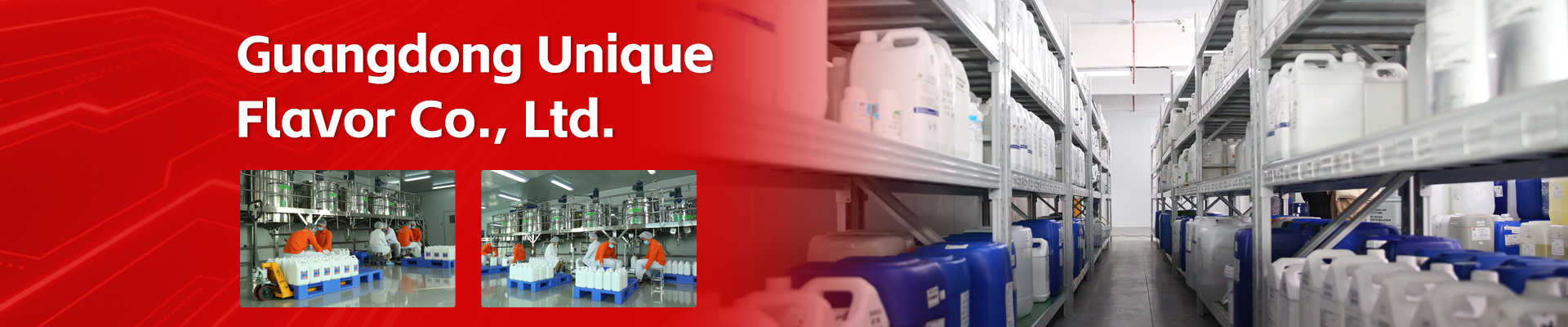
Auteur : Équipe R&D, Arômes CUIGUAIPublié par : Guangdong Unique Flavor Co., Ltd.Dernière mise à jour : 11 juin 2026WhatsApp & Telegram: +86 189 2926 7983
Laboratoire d’Extraction de Saveurs
In the contemporary food and beverage ecosystem, the sensory profile of a product is no longer merely an isolated attribute of consumer enjoyment; it is a critical, multi-dimensional driver of brand loyalty, market differentiation, and commercial viability. As global consumer paradigms shift dynamically toward clean-label transparency, health-conscious formulations, and sophisticated taste profiles, food and beverage manufacturers face an unprecedented dual challenge. They must achieve exceptional, robust, and impactful flavor performance while strictly adhering to rigorous multi-jurisdictional regulatory frameworks and uncompromising purity standards. At our state-of-the-art manufacturing facility, we recognize that a flavor compound is not just an additive; it is a highly engineered chemical matrix that must interact flawlessly with diverse food bases, survive aggressive thermal processing regimes, and maintain long-term organoleptic stability over its commercial shelf life. The industry has evolved past simple ingredient additions into a complex science of molecular engineering. Every volatile compound we extract or synthesize undergoes immense scrutiny regarding its vapor pressure, partition coefficient, and chemical reactivity within different food matrices. Our comprehensive manufacturing philosophy acknowledges these complexities. This technical white paper and corporate manifesto explores the profound engineering, analytical chemistry, and regulatory science that underpins our food-grade flavor manufacturing processes. As a primary, B2B dedicated flavoring manufacturer, our operational philosophy is rooted in the convergence of 'Purity'—the absolute elimination of contaminants, precise chemical synthesis, and comprehensive compliance transparency—and 'Performance'—the thermal resilience, controlled release kinetics, and optimized matrix compatibility required by modern food processors. By examining our advanced molecular design methodologies, proprietary microencapsulation technologies, strict quality control protocols, and global compliance frameworks, we provide procurement officers, R&D scientists, and brand directors with the definitive assurance that partnering with us is an investment in unparalleled product integrity and market success. The integration of modern analytical methodologies with traditional flavor artisanship creates a dynamic environment where innovation thrives, delivering flavors that not only taste authentic but also demonstrate supreme stability throughout extreme processing parameters.
L'architecture moléculaire de la saveur : volatilité, cinétique et dynamique thermique
The synthesis and formulation of industrial food flavors require a profound understanding of organic chemistry, thermodynamics, and fluid dynamics. Flavor perception is fundamentally governed by volatile organic compounds (VOCs) interacting with human olfactory receptors, supplemented by non-volatile taste compounds activating gustatory receptors on the tongue. In our research and development laboratories, our flavor chemists analyze these interactions at a molecular level, selecting and balancing specific chemical functional groups—including aliphatic and aromatic esters, aldehydes, ketones, alcohols, lactones, and terpenes—to construct precise organoleptic profiles. Each chemical class presents unique engineering challenges regarding volatility and reactivity. For instance, low-molecular-weight esters, such as ethyl butyrate (imparting top-note orchard fruit profiles) or isoamyl acetate (essential for banana and confectionery notes), possess exceptionally high vapor pressures. While these compounds provide immediate, highly impactful aroma bursts upon opening a package, their extreme volatility renders them highly susceptible to premature evaporation or flash-off during industrial processing. Conversely, higher-molecular-weight lactones (such as gamma-undecalactone for creamy peach profiles) or aromatic aldehydes (such as vanillin) possess lower vapor pressures and offer excellent foundational longevity, but must be carefully balanced to prevent heavy, lingering back-notes that can distort the intended flavor profile. To design flavors for thermal processing, our factory utilizes advanced thermodynamics and kinetic modeling. During high-temperature processes such as continuous UHT pasteurization for dairy products, industrial baking extrusion, or high-pressure canning, flavor molecules undergo severe thermal stress. The rate of chemical degradation or alteration for any given flavor component can be mathematically modeled using the Arrhenius equation, which calculates the temperature dependence of reaction rates. Through systematic empirical testing, we determine the activation energy required for the degradation of vital top-notes. If a critical volatile compound exhibits a low activation energy for thermal breakdown, our molecular engineering team modifies the formula, either by substituting the compound with a structurally more resilient analogue or by incorporating advanced shielding matrices. Furthermore, we must address the complex phenomenon of flavor-matrix interactions. When a flavor is introduced into a food matrix, it does not remain isolated; it binds to proteins, complex carbohydrates, and lipids through hydrogen bonding, van der Waals forces, and hydrophobic interactions. For example, in high-protein matrices such as plant-based dairy alternatives (oat, soy, or pea protein), hydrophobic flavor compounds like limonene or various aldehydes readily bind to the hydrophobic cores of denatured proteins. This 'flavor binding' effectively strips the product of its intended aroma, resulting in a flat, unappealing profile accompanied by unmasked beany off-notes. Understanding the precise thermodynamics of flavor release requires measuring the air-water partition coefficients and the lipid-water partition coefficients of all constituents. We engineer our formulations to manipulate these coefficients intelligently, driving the flavor molecules out of the liquid phase and into the headspace exactly at the moment of consumption. The complex chemistry involved dictates that no single flavor molecule acts alone. Flavor molecules interact synergistically or antagonistically, both with each other and with the complex macromolecules of the food system. By mastering these intricate chemical pathways, our technical teams develop sophisticated flavor architectures that remain chemically intact, physically stable, and sensorially stunning from the mixing vat to the consumer's palate. Discover our specialized heat-stable bakery flavors here.
Diagramme de microencapsulation
Systèmes de livraison avancés : physique de la microencapsulation et rhéologie des émulsions
To bridge the gap between high volatility and processing survival, our facility specializes in advanced flavor delivery systems, primarily microencapsulation and sophisticated emulsion technology. Microencapsulation acts as a physical barrier, sealing sensitive volatile flavor oils within a microscopic protective shell. This technique prevents premature oxidation, eliminates cross-contamination during transport, and allows for the programmed, controlled release of flavors—triggered either by thermal activation during baking, shear forces during mastication, or moisture dissolution during reconstitution. The primary methodology utilized in our manufacturing plant is advanced industrial spray drying, optimized through precise control of fluid dynamics and thermodynamic variables. The process begins with the preparation of a highly stable core-in-wall emulsion. The selection of the wall material, or carrier matrix, is vital. We utilize proprietary blends of high-purity maltodextrin (with precisely controlled Dextrose Equivalent, or DE, values), native and modified starches (such as octenyl succinic anhydride modified starch, or OSA starch), and premium acacia gum. The core-to-wall ratio is mathematically optimized to maximize flavor payload (often achieving 20% to 25% active oil loading) while ensuring complete atomization and microscopic structural integrity. During the spray-drying cycle, the emulsion is fed into a high-speed centrifugal atomizer or multi-fluid nozzle inside our drying towers. The atomized droplets meet a co-current stream of highly filtered, dehumidified hot air. The inlet temperature (typically calibrated between 180°C and 200°C) and the outlet temperature (maintained stringently between 80°C and 90°C) are continuously monitored via closed-loop PLC systems. Under these conditions, water flashes off the surface of the droplet almost instantaneously, establishing a rapid crust formation. This rapid phase transition prevents the internal volatile flavor oils from escaping—a phenomenon governed by the selective diffusion theory. The resulting microencapsulated powder consists of perfectly spherical particles with excellent flowability, minimal surface oil content (typically under 1%), and an extended shelf life that far exceeds unencapsulated equivalents. In addition to spray drying, we employ complex coacervation techniques for specialized applications where a highly impermeable barrier is needed. Coacervation involves phase separation of hydrocolloids (like gelatin and gum arabic) around the flavor droplet, which are then cross-linked to form a resilient, insoluble shell. This technology allows for unprecedented heat resistance, making it an excellent choice for extruded snacks and high-temperature baked goods. For liquid applications, particularly clear and cloudy beverages, flavor performance depends entirely on emulsion rheology and interfacial tension optimization. Liquid flavors must remain uniformly dispersed throughout the beverage matrix without exhibiting phase separation, sedimentation, or 'ringing' (the formation of an unsightly oily ring at the neck of the bottle). Our technical production lines leverage the physics of Stokes' Law to achieve indefinite emulsion stability. Stokes' Law dictates that the rate of separation is directly proportional to the square of the particle radius and the difference in density between the continuous and dispersed phases, and inversely proportional to the viscosity of the continuous phase. To minimize the particle radius, our factory passes liquid pre-emulsions through industrial high-pressure multi-stage homogenizers operating at pressures up to 500 bar. This intense mechanical shear reduces the mean droplet size of the flavor oil to the sub-micron scale, frequently achieving a narrow, monodisperse distribution between 100 and 300 nanometers. To combat density differentials, we carefully incorporate food-grade weighting agents, such as sucrose acetate isobutyrate (SAIB) or ester gum, matching the specific gravity of the flavor oil exactly to that of the beverage base. Furthermore, we deploy advanced surfactant systems, utilizing precisely calculated Hydrophilic-Lipophilic Balance (HLB) values to stabilize the oil-water interface, effectively neutralizing Ostwald ripening—the process where small droplets merge into larger ones over time.Read our deep dive into advanced microencapsulation techniques.Explore our natural beverage emulsions formulated for absolute clarity.
Alignement réglementaire mondial : navigation à travers FEMA, FDA, normes GB et EFSA
In the globalized food supply chain, regulatory compliance is not an optional afterthought; it is an foundational prerequisite for market entry. A failure to comply with local food safety laws can result in devastating product recalls, legal liabilities, and irreparable brand damage. As an export-oriented, high-capacity manufacturing facility, we provide our clients with absolute peace of mind by maintaining a comprehensive, multi-jurisdictional regulatory alignment framework. Every raw material we source, every chemical synthesis we perform, and every flavor compound we blend is thoroughly vetted against the distinct regulatory databases of the world's primary consumer markets. In the United States, our regulatory compliance team ensures strict adherence to the standards established by the Food and Drug Administration (FDA) under Title 21 of the Code of Federal Regulations (21 CFR). Crucially, all flavor ingredients used in our formulations are recognized as safe by the Flavor and Extract Manufacturers Association (FEMA) under their prestigious Expert Panel GRAS (Generally Recognized as Safe) program. FEMA GRAS status signifies that a substance has undergone exhaustive toxicological evaluation and biochemistry review, confirming its safety under specific conditions of use in food matrices. Our compliance documentation provides complete transparency regarding FEMA numbers, artificial versus natural classifications, and structural safety classes. This transparency guarantees that when you integrate our ingredients into your product, the regulatory foundation of your brand remains unassailable. For clients targeting the rapidly expanding East Asian markets, our facility offers unmatched expertise in the national standards of the People's Republic of China (Guobiao standards, or GB). We operate in absolute compliance with GB 2760 ('National Food Safety Standard for Uses of Food Additives'), which defines the precise scope, maximum allowable dosage, and restriction profiles for every flavoring substance. This standard dictates strict categorical approvals, ensuring that only physiologically harmless substances are approved for domestic and imported foods. Furthermore, our production processes align perfectly with GB 30616 ('National Food Safety Standard for Food Flavor'), a rigorous regulation governing the physical, chemical, and microbiological safety requirements of liquid, solid, and paste-form flavors. By ensuring that our products undergo the precise testing mandated by GB 30616—including heavy metal limits, arsenic quantification, and methanol content restrictions—we guarantee that our international clients can navigate customs clearings smoothly and rapidly without regulatory delay. We also maintain strict compliance with GB 7718 for labeling, ensuring that ingredient declarations meet all local linguistic and legal requirements. Similarly, our formulations meet the stringent criteria of the European Food Safety Authority (EFSA) and Regulation (EC) No 1334/2008, which governs flavorings for use in and on foods within the European Union. We strictly observe the EU 'Union List' of flavoring substances, ensuring that no unauthorized synthetic molecules are introduced. Beyond chemical compliance, our facility implements comprehensive allergen management programs. In accordance with EU Food Information for Consumers (FIC) Regulation No 1169/2011 and US FALCPA requirements, we provide definitive declarations regarding the presence or absolute absence of major allergens (such as gluten, dairy, soy, peanuts, and tree nuts), executing strict clean-in-place (CIP) validation protocols to prevent cross-contact. Additionally, our global supply chain is fully certified to provide Kosher (Orthodox Union) and Halal (JAKIM/MUI compliant) flavorings, ensuring that our clients can confidently address diverse consumer demographics worldwide. We employ dedicated certification officers who conduct quarterly audits of our production lines, verifying that animal-derived ingredients and alcohol extraction solvents are comprehensively segregated or entirely eliminated according to strict religious dictations.
Laboratoire de Chimie Analytique
Chimie analytique avancée et cadres rigoureux d'assurance qualité
La pureté et la cohérence d’un lot à l’autre ne peuvent se garantir uniquement par des inspections visuelles ou des évaluations sensorielles basiques ; elles doivent être confirmées par une instrumentation analytique de haute précision et un cadre de contrôle qualité structuré. Dans notre usine, chaque lot de matières premières entrantes et chaque produit fini sortant subissent une série rigoureuse de tests analytiques, garantissant une uniformité absolue de nos profils aromatiques, avec une tolérance zéro à la déviation. La capacité analytique de pointe que nous mobilisons repose sur la chromatographie en phase gazeuse couplée à la spectrométrie de masse avec détection par ionisation de flamme (GC-MS/FID). La chromatographie gazeuse permet de séparer les mélanges volatils complexes en composants individuels selon leurs points d’ébullition et leur interaction avec une phase stationnaire de colonne capillaire spécialisée. Une fois séparés, le spectromètre de masse fragmente ces molécules, générant un spectre unique qui sert d’empreinte chimique définitive. En comparant ces spectres aux bibliothèques exhaustives NIST et Wiley, nous vérifions l’identité et la pureté absolue de chaque molécule. Parallèlement, le système FID fournit une quantification ultra-précise de chaque composant. Cela garantit que, lors d’une nouvelle commande, la composition en notes de tête, cœur et fond reste parfaitement identique à la référence initiale, avec un coefficient de variation inférieur à 1 %. Pour capter les profils aromatiques délicats libérés dans l’espace environnant un aliment, notre laboratoire utilise l’analyse par extraction en phase solide (SPME) du gaz de tête. La SPME consiste à exposer une fibre de silice fondue, recouverte d’un polymère spécialisé, à l’espace gazeux au-dessus d’un échantillon chauffé. Les composés organiques volatils s’y adsorbent jusqu’à l’équilibre, puis la fibre est thermiquement désorbé directement dans l’injecteur du GC-MS. Cette technique non destructive, très sensible, nous permet d’analyser le profil aromatique tel que le perçoit le consommateur par olfaction rétro-nasale, optimisant ainsi la formulation pour un maximum d’impact olfactif. Pour les composés non volatils, ou ingrédients actifs sensibles à la chaleur, nous utilisons la chromatographie liquide à haute performance (HPLC) avec détecteurs UV ou à réfraction, pour vérifier avec une précision moléculaire absolue les courbes de concentration. En complément, notre centre d’évaluation sensorielle, conforme à la norme ISO 8586, regroupe une équipe de dégustateurs formés et monitorés rigoureusement, dans des cabines climatisées à éclairage contrôlé, afin de garantir une évaluation humaine fidèle. Nous intégrons également des technologies avancées de nez électronique (e-nose), qui utilisent un réseau de capteurs MOS (semi-conducteurs à oxyde métallique) dont la résistance électrique varie en présence de vapeurs aromatiques volatiles. Les données multidimensionnelles sont traitées par des logiciels de reconnaissance de motifs, assurant une validation objective et instantanée de la cohérence olfactive. La synergie entre analyse instrumentale rigoureuse et perception humaine experte établit un cadre de contrôle qualité infaillible, assurant une pureté irréprochable à nos partenaires commerciaux à l’échelle mondiale.Ensure purity with our advanced functional masking agents.
Applications intersectorielles : relever les défis des matrices alimentaires
A premium flavor compound must perform flawlessly across diverse and challenging physical and chemical environments. Different food categories present unique matrix stresses, ranging from extreme acidity to long-term ultraviolet exposure, necessitating customized formulation strategies. Our factory works in direct technical collaboration with our clients' R&D teams to engineering flavors tailored precisely to their specific application environment. In the beverage manufacturing sector, flavor molecules must withstand continuous exposure to highly acidic aqueous environments (with pH values dropping as low as 2.5 in carbonated soft drinks or functional energy beverages) and survive intense light exposure on retail shelves. Under these acidic conditions, common top-notes such as citral (critical for lemon-lime profiles) undergo rapid acid-catalyzed hydrolysis, converting into unappealing compounds like p-mentha-1,5-dien-8-ol, which imparts a distinct turpentine-like off-flavor. To resolve this vulnerability, our development team creates specialized beverage emulsions that utilize protective co-solvents and natural antioxidant systems (such as tocopherols and ascorbic acid palmitate), retarding oxidative pathways and preserving fresh, crisp profiles over extended storage cycles. For high-Brix syrups and concentrates, our formulators ensure the flavor matrices remain completely soluble, preventing flocculation or precipitative clouding. The bakery and confectionery industries present a completely different set of physical challenges, primarily centered on high thermal mass and moisture evaporation. During industrial baking, internal oven temperatures routinely cross 200°C. In thin matrix applications like cookies or crackers, water loss causes volatile flavor compounds to codistill with the escaping steam, resulting in a dramatic reduction in flavor intensity post-bake. Our manufacturing solution relies on high-molecular-weight carriers and fat-soluble flavor matrices. By shifting the partition coefficient toward the lipid phase of the dough, we ensure the flavor molecules remain securely locked within the product's structure during heating, releasing only when the consumer bites into the finished baked good. Hard-boiled candies face similar challenges; the process involves cooking sugar masses to extremely high temperatures and low moisture contents, which can flash off delicate fruit esters instantly. We employ encapsulated powders or high-boiling-point solvent carriers like propylene glycol or triacetin to protect the aromatic profile. Furthermore, the dramatic rise of plant-based dairy and meat alternatives has introduced highly complex flavor-masking challenges. Plant proteins derived from peas, soybeans, chickpeas, and oats contain high concentrations of endogenous lipoxygenases, which break down polyunsaturated fatty acids into volatile off-notes such as hexanal (grassy/beany), 2-pentylfuran (beany/metallic), and various bitter ketones. Moreover, plant proteins possess high concentrations of polyphenols and saponins, which elicit a lingering, astringent sensation on the tongue. Our manufacturing facility has engineered a proprietary line of masking compounds that work through competitive receptor blocking and molecular entrapment. These masking agents physically complex with hexanal and bind to specific bitter taste receptors, successfully neutralizing the off-notes and clearing the path for clean, rich dairy or savory profiles. By addressing these matrix-specific challenges scientifically, we guarantee superior end-product performance, ensuring the brand delivers a consistent, high-fidelity flavor experience to the consumer every single time.Learn how to master liquid matrices via our beverage emulsion stability guide.
Approvisionnement durable, innovation en étiquetage propre et résilience de la chaîne d'approvisionnement
Modern corporate responsibility mandates that food safety and manufacturing excellence must coexist with ecological sustainability and complete supply chain transparency. Global consumers are actively seeking 'clean label' products—demanding short, recognizable ingredient lists devoid of synthetic chemical names. At our factory, we have integrated green chemistry principles and sustainable sourcing directly into our core manufacturing framework, ensuring that our clean-label flavor solutions are both highly effective and environmentally sound. To meet the escalating global demand for natural flavorings, our factory invests heavily in advanced botanical extraction technologies, specifically Supercritical Fluid Extraction ($SFE-CO_2$). Supercritical carbon dioxide operates at temperatures and pressures above its critical point (31.1°C and 73.9 bar), where it exhibits the dense properties of a liquid combined with the high penetrative diffusivity of a gas. By utilizing $SFE-CO_2$, we extract delicate essential oils, oleoresins, and fractionated top-notes from raw botanicals without employing toxic organic solvents like hexane or dichloromethane. This process eliminates any risk of harmful chemical residues in the final flavoring compound, aligns perfectly with clean-label regulatory standards, and runs at low temperatures, fully preserving the pristine, natural profile of the botanical source without heat degradation. Additionally, we harness cutting-edge bioconversion and fermentation technologies. Through the precise utilization of natural enzymes and specific microbial strains, we can synthesize complex, high-value natural flavor compounds—such as natural vanillin or specific natural fruit esters—from sustainable agricultural precursors. This biomanufacturing approach drastically reduces the ecological footprint associated with traditional agricultural harvesting, minimizes water usage, and bypasses the extreme volatility of global crop yields and climate change impacts. It guarantees a highly consistent, natural flavor output that satisfies both the consumer's demand for clean labels and the manufacturer's need for supply stability. Furthermore, we practice rigorous supply chain traceability, implementing comprehensive vendor verification programs that track every raw material back to its geographical and agricultural origin. This granular tracking allows us to provide full documentation regarding Non-GMO status, pesticide-free cultivation, and ethically harvested botanical sourcing. By maintaining extensive stockpiles of strategic chemical precursors and operating agile, automated blending lines, our factory mitigates global supply chain volatility, assuring our clients of a highly reliable, uninterrupted supply of high-purity flavors, regardless of macroeconomic disruptions. Sustainability is no longer a peripheral marketing term; it is embedded deeply within our chemical engineering processes, defining the very future of the global flavor industry.
Conclusion : Sublimez votre marque grâce à un partenaire aromatique d’élite, axé sur la technologie
Achieving market leadership in the highly competitive food and beverage sector requires a relentless dedication to detail across every stage of product development. As demonstrated throughout this technical white paper, the difference between a mediocre product and an extraordinary commercial success often lies within the molecular design, processing resilience, and regulatory purity of its flavor system. Partnering with a specialized primary manufacturer like our factory guarantees that your product line is built upon a foundation of absolute compliance, advanced chemical engineering, and flawless sensory performance. From the meticulous optimization of vapor pressures and thermal activation thresholds to our advanced sub-micron emulsion processing and strict GC-MS batch fingerprinting, we eliminate variables and substitute them with scientific certainty. Our comprehensive multi-jurisdictional compliance framework—spanning FEMA GRAS, China's GB standards, and the EU Union List—ensures your products can seamlessly expand into international markets, completely insulated from regulatory risk. Let our expert flavor chemists and application engineers transform your product concepts into stable, vibrant, and market-dominating sensory realities. Whether you are dealing with challenging high-heat bakery matrices, delicate clear beverages, or complex plant-based proteins requiring intense masking technologies, our facility has the technical bandwidth, intellectual property, and industrial capacity to solve your most pressing flavor challenges. We do not just sell flavors; we engineered complete, tailored, scientifically sound sensory solutions.
Ligne d'Emballage de Boissons
Passez à l’étape suivante : Échange technique et programme d’échantillons gratuits
Accelerate your R&D pipeline and secure your product's flavor performance today. We invite procurement directors, food scientists, and product managers to engage directly with our technical team for a comprehensive formulation review or to request customized flavor samples tailored to your specific matrix requirements. Reach out to us to schedule a personalized technical exchange session with our top flavor chemists.Contactez-nous dès aujourd’hui :