作者: CUIGUAI调味研发团队
出版: 广东独特香料有限公司
最后更新: 2026年7月30日
WhatsApp与Telegram: +86 189 2926 7983
电子邮箱:info@cuiguai.com
季节性咖啡糖浆在特色食品与饮料调味行业中,既是商业巨擘,又技术考验的瑰宝。2025年,全球咖啡糖浆市场估值达78亿美元,预计到2036年将突破164.2亿美元,背后驱动力量是家庭咖啡师文化的蓬勃发展、特色咖啡零售的兴起,以及餐饮行业对季节性限时产品(LTO)的不断追求,这些产品不仅吸引人流,更激发社交媒体的热烈互动(未来市场洞察,2026年)。
在此市场的核心,矗立着季节性咖啡风味的“双巨头”:南瓜香料(八月至十一月,九月至十月达到巅峰)与薄荷摩卡(十一月至一月,十二月最盛)。这两大风味平台合计贡献北美季节性咖啡产品收入的35%至45%,其文化影响力由星巴克每年经典的新品发布所引领,已成为全球参考标准,彰显季节风味如何将普通商品转变为文化盛事。
调味品制造商、食品原料供应商及饮料品牌开发者,深入理解这两款标志性季节性糖浆背后的化学原理、配方科学与生产工艺,不仅是学术探究,更是打造在食品行业中最受关注的风味类别中具有竞争力产品的基石。本权威指南提供了行业专业人士从基础出发,设计出卓越南瓜香料与薄荷摩卡咖啡糖浆所需的技术深度。
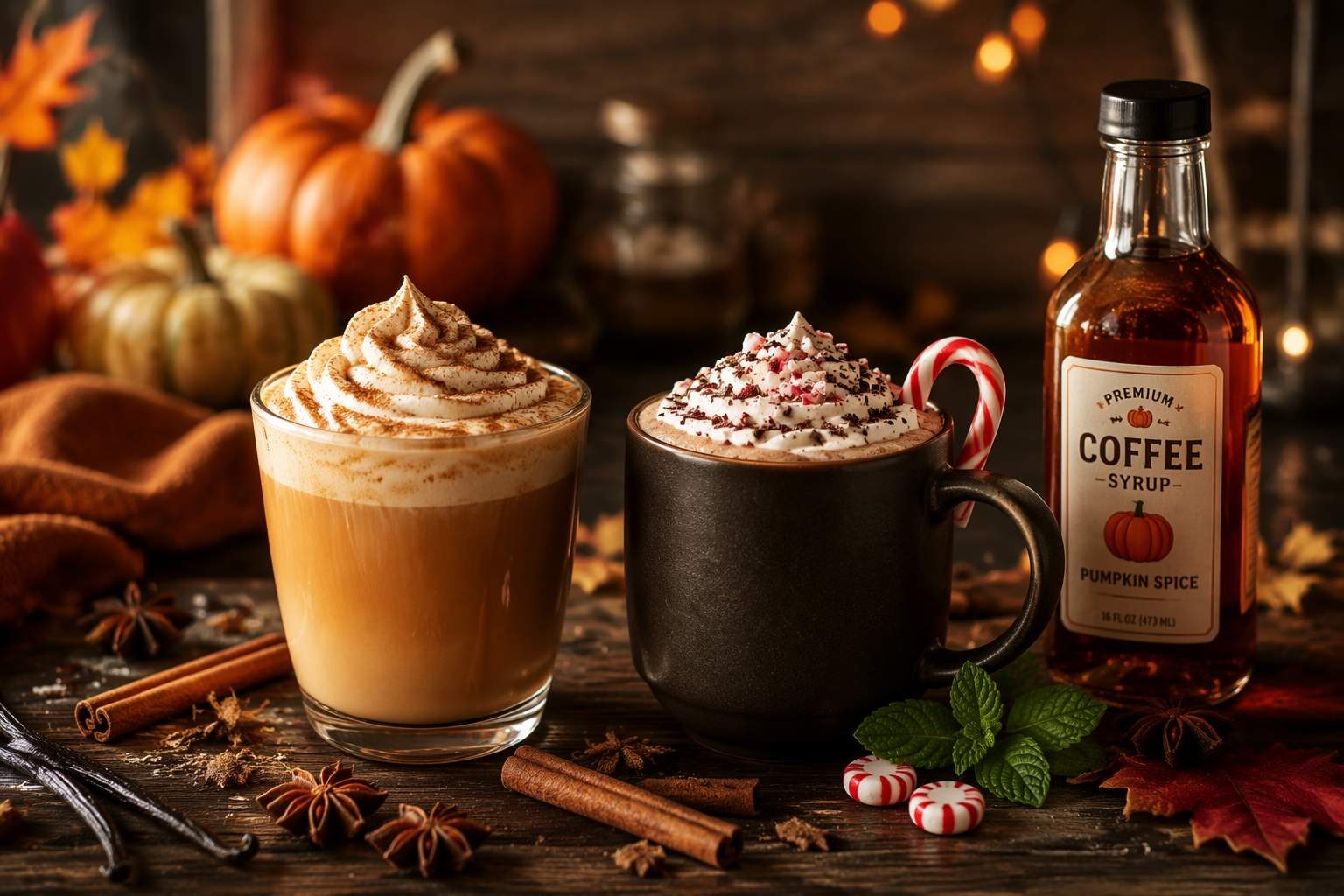
南瓜香料薄荷摩卡咖啡糖浆
季节性咖啡糖浆市场:为何这两种口味占据主导地位
季节性限时产品成功的商业构造
南瓜香料和薄荷摩卡在商业上的主导地位并非偶然——它反映了一系列融合的因素,味道制造商和品牌开发者必须理解这些因素,才能复制或挑战这些市场平台:
- 节令契合与消费者仪式感:这两种风味均与明确的季节变迁——秋收与冬季节日——紧密相连,承载着北美乃至欧洲市场深厚的文化与情感意义。每年这些风味的回归,成为许多消费者心中的季节仪式——超越饮品本身的文化符号。星巴克2003年推出的南瓜香料拿铁(PSL),在巅峰时期年营收估计达5亿美元,彰显出拥有季节性仪式的非凡商业价值。
- 风味复杂且令人难忘:南瓜香料与薄荷摩卡皆由多组分组成,风味层次丰富,非单一味道。这种复杂性增强了感官记忆(消费者能记住并期待特定的味觉轮廓),同时也设立了配方门槛,阻碍廉价仿制。单一味道(如纯香草或焦糖)易被复制,而经过精准调配的六香料混合则难以仿造。
- 跨用场的多功能性:南瓜香料与薄荷摩卡糖浆不仅适用于咖啡,还可广泛应用于拿铁、热巧克力、蒸汽饮料、鸡尾酒、烘焙及零售瓶装等多种场景。这种广泛适用的灵活性极大提升了风味投资的商业价值,使餐饮业者得以围绕单一糖浆产品打造完整的季节性菜单体系。
- 社交媒体的传播力:这两款口味在社交媒体上引发了非凡的互动——每年南瓜香料拿铁的推出都持续引发数百万的相关帖子及主流媒体报道。对于新推出季节性糖浆的品牌而言,顺应这些既有的消费者习惯不仅能借助天然的受众认知,还能降低新口味平台的营销成本。
超越“巨头”的市场趋势
尽管南瓜香料和薄荷摩卡在季节性咖啡糖浆市场中占据主导地位,FlavorSum的2025年季节性风味指南还指出一些新兴平台正在逐渐获得商业关注:
- 秋季新品拓展:枫糖红糖、苹果酒香料、烤核桃与咸焦糖,逐渐成为追求季节温暖感但不愿与“南瓜拿铁”绑定的消费者的新宠。这些口味售价相仿,竞争压力较少,利于品牌多元布局。
- 冬季节日扩展:姜饼、蛋酒、蔓越莓香料和白巧克力薄荷正逐渐成为节日咖啡市场中薄荷摩卡的替代品与补充品。
- 全年皆可的香料风味:薰衣草、棕黄油和豆蔻正由季节性新奇转向全年高端定位,为能够实现商业化生产的风味制造商带来机遇。
南瓜香料的化学奥秘:酿造一瓶秋日韵味
“南瓜香料”究竟包含什么——化学解析
风味制造商必须明确传达的商业基础见解:“南瓜香料”的风味几乎不含真正的南瓜。其风味平台建立在经过精确调配的香料混合上——源自传统的馅饼香料配方——而南瓜特有化合物最多只起辅助作用。掌握每种香料成分的化学特性,是酿造地道南瓜香料糖浆的关键所在:
- 肉桂醛(CAS 104-55-2):作为肉桂(肉桂树Verum和Cassia)的主要芳香成分,肉桂醛赋予南瓜香料温暖、甜美、辛香的基调。在肉桂精油中占比65-90%,是配方中的主导香气。在咖啡糖浆中,肉桂醛的用量一般为成品糖浆的0.01-0.08%,用量越高,风味越偏“肉桂突出”;用量较低,则能使其他香料成分达到更佳平衡。
- 丁香酚(CAS 97-53-0):丁香的代表性成分,赋予南瓜香料温暖、略带药用气息的深沉芳香,增添层次与丰富感。在成品糖浆中含量为0.005-0.03%,丁香酚能避免南瓜香料仅表现为“肉桂糖”,其存在正是区分高端与普通南瓜香料的关键。注意:丁香酚浓度超过0.05%时,可能带来不悦的药用味,掩盖整体风味。
- 肉豆蔻中的沙宾烯和α-蒎烯:肉豆蔻(Myristica fragrans)精油以其主要萜烯赋予温暖、木质且略带樟脑香的层次感。肉豆蔻成分赋予南瓜香料那种“圆润温暖”的特质,避免肉桂和丁香显得尖锐或过于激烈。
- 姜辛醇和姜酚类衍生物:姜中的一小部分(占香料复合物的5-15%)虽微小,却极为重要,带来微妙的温热感与“新鲜”气息,避免南瓜香料变得过于死板沉重。姜油中的姜酚与姜酚的比例,决定姜味偏“新鲜”(姜酚较高)还是“熟暖”(更高的Shogaol),南瓜香料中,略偏Shogaol(熟姜)更为适宜。
- 多香果(Pimenta dioica)的特色:多香果带来丁香酚(与丁香共享)、肉桂烯和甲基丁香酚——这一化合物组合连接了肉桂与丁香的风味,同时增添其独特的胡椒般、接近浆果的香气。在许多高端南瓜香料混合中,多香果取代部分丁香,以打造北美经典的“南瓜派香料”轮廓,这一风味由麦考密克等商用香料调配而成。
- 南瓜风味化合物:正宗熟南瓜的香气由一系列微量化合物赋予,包括反式、反式-2,4-癸二烯醛(青草南瓜香)、2-乙酰基-1-吡咯烷(烘烤香)及多种呋喃酮和醛类,共同营造出温和的“熟南瓜”层次。在商业南瓜香料糖浆中,通常通过添加天然南瓜提取物或南瓜泥与香料混合物共同实现这些风味特征。
- 香草(香草醛和乙基香草醛):在0.02-0.08%的范围内加入香草醛/乙基香草醛作为甜味锚点,能够完整包裹香料的复杂层次,赋予其顺滑、奢华的品质,将南瓜香料从“香料架”衔接到“甜点体验”。若缺少香草元素,南瓜香料会显得过于草本,难以满足主流咖啡消费者对温暖和奢华的追求。
南瓜香料糖浆的糖系统
南瓜香料咖啡糖浆中的糖系统不仅仅是甜味载体——它承载并放大香料的特性,同时定义产品的口感和跨产品的表现:
- 红糖或德梅拉拉糖基底:采用红糖(部分精炼的蔗糖,保留糖蜜成分)或德梅拉拉糖,而非白蔗糖,可增添焦糖与糖蜜的层次感,强化香料混合的秋日温暖氛围。在相同总蔗糖浓度下,红糖糖浆显得更丰富、更深邃,更具“手工艺”气息,是高端产品的重要品质标志。
- 通过美拉德反应产生焦糖风味:将部分糖浆基底经过温和加热处理(75-85°C,15-30分钟),促使美拉德反应发生,形成焦糖化糖的香气(呋喃甲醇、呋喃酮、麦芽酚),与香料融合相得益彰。这一“自制焦糖”元素,使手工南瓜香料糖浆区别于工业量产的同类产品,彰显匠心工艺。
- Brix目标值与糖浆浓度:专业咖啡糖浆的目标Brix为60-75(折光仪测得的总溶解固体百分比),以确保最佳的货架稳定性(水活度低于0.85)、适宜的泵送粘度(20°C下60-120毫帕秒),以及在成品咖啡饮品中的风味稀释比例(通常每240-360毫升饮料加入15-30毫升糖浆)。
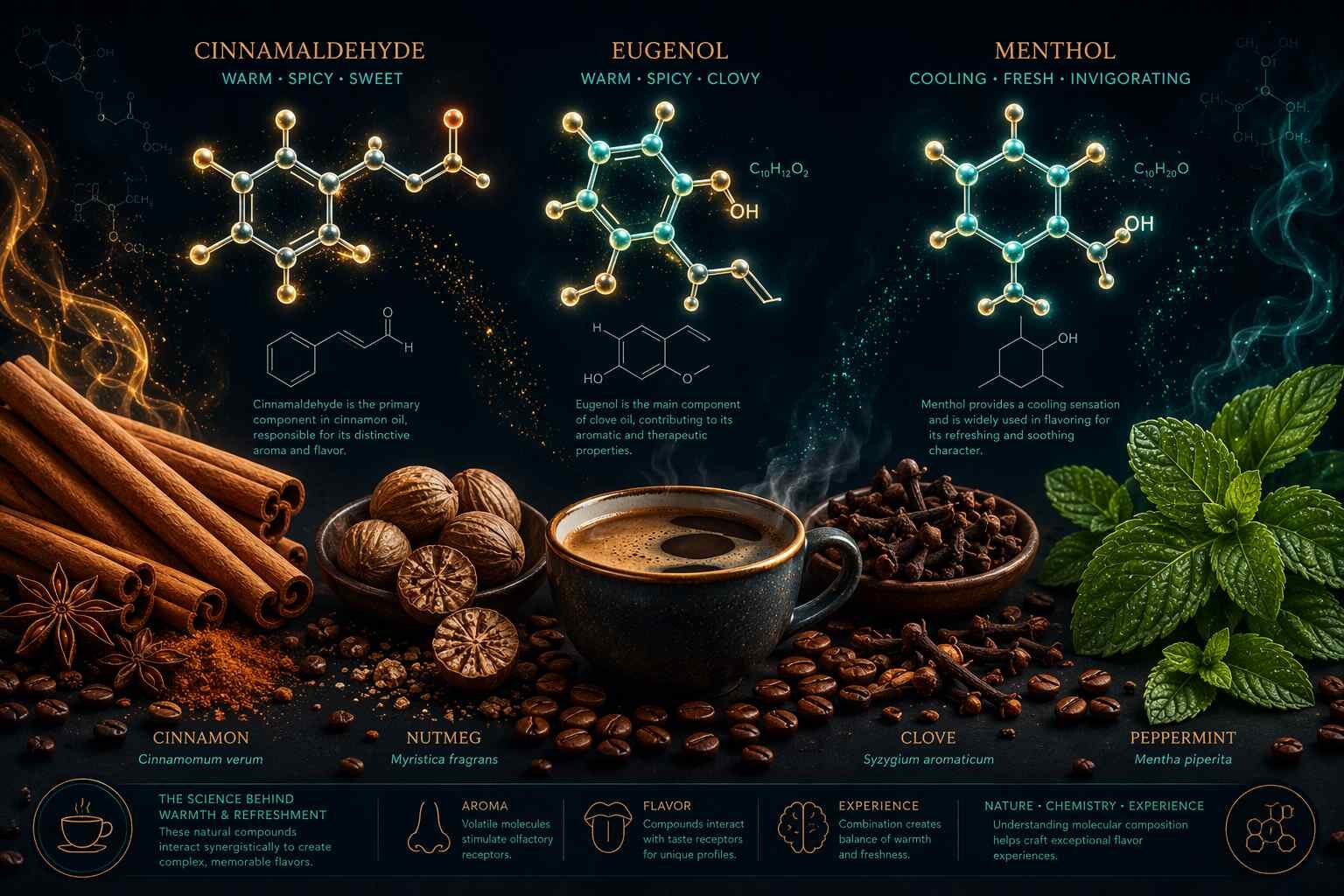
季节性香料分子——肉桂醛、丁香酚、薄荷醇
支撑高端南瓜香料糖浆开发的天然香料采购原则和植物提取物品质,与手工咖啡领域密切相关。我们的技术指南 Sourcing Natural Cola Flavors: A Guide for Craft Soda Brands提供一种植物原料采购框架——借鉴手工碳酸饮料的背景——同样适用于高端季节性咖啡糖浆的香料提取物选择。
薄荷摩卡的化学奥秘:酿造一瓶冬日意境
薄荷摩卡的三重化合物结构
薄荷摩卡的结构较南瓜香料更为简洁,却隐含着不容小觑的调配难题。其风味轮廓由三大基本维度组成:薄荷、巧克力/摩卡与甜度,彼此之间的化学复杂性及相互作用,使得调配的精确平衡成为一项极富挑战的艺术。
- 薄荷维度:薄荷摩卡中的薄荷风味主要由l-薄荷醇(CAS 89-78-1)赋予——它是薄荷(Mentha piperita)精油的主要成分,占挥发油的35-50%。薄荷醇激活口腔黏膜中的TRPM8热感受器,产生标志性的清凉感,成为薄荷摩卡的感官特征。在咖啡糖浆中,l-薄荷醇用量为成品糖浆的0.02-0.1%,低端带来“淡淡薄荷”气息,高端则呈现浓烈清凉、类似糖果棒的最大强度薄荷摩卡风味。
- 薄酮(CAS 10458-14-7)与薄酮醋酸酯:这两种次级薄荷成分赋予风味草本气息(薄酮)及柔和略带花香的调和剂(薄酮醋酸酯),避免薄荷仅表现为“冷却化学品”,而缺乏植物韵味。在薄荷油成分的10-25%范围内,薄酮是区分天然薄荷香与合成L-薄荷醇的关键,亦是高端薄荷摩卡糖浆的重要品质标志。
- 巧克力/摩卡风味:可可(Theobroma cacao)香气由逾600种挥发性化合物组成,源自发酵与烘焙过程。与咖啡糖浆相关的主要风味化合物包括:可可碱(CAS 83-67-0,赋予细腻的苦味深度);吡嗪类(2-甲基吡嗪、2,3-二甲基吡嗪,带来烘焙坚果香);呋喃类(呋喃甲醇,增添焦糖般甜美的摩卡风味);以及苯乙酮醛(赋予特有的“巧克力”香气)。在专业薄荷摩卡糖浆配方中,摩卡风味通常通过天然可可提取物(提供真实的巧克力复杂感)与天然摩卡风味浓缩物(优化烘焙咖啡与巧克力的风味平衡,确保批次一致性)相结合实现。
薄荷与巧克力的相互作用:平衡的关键所在
薄荷摩卡糖浆的核心配方难题在于薄荷与巧克力之间的相互作用——这种关系不仅仅是简单叠加,而涉及感官上的抑制与增强效应:
- 薄荷醇抑制苦味感知:薄荷醇激活TRPM8通道,具有已被证实的镇痛作用,减弱了可可苦味物质(如可可碱)的苦涩感。这一相互作用在商业中具有优势:它允许薄荷摩卡糖浆在不产生令人不快的苦味的前提下,加入更高比例的可可成分,丰富巧克力风味。然而,当薄荷醇浓度超过0.12%时,冷感占据主导,使得巧克力风味难以辨识,需精准调校,确保真正实现薄荷与巧克力的完美融合,而非仅仅呈现薄荷“幽灵”般的巧克力余韵。
- 可可酚类与薄荷醇的热感受相互作用:富含多酚的可可提取物缓和了薄荷醇TRPM8激活的热动力学,带来比薄荷在非巧克力基底中更轻微延迟且持久的凉感体验。这一细腻的相互作用,赋予薄荷摩卡特有的“凉爽收尾”风味,成为消费者对这一组合的专属记忆。
- 香草作为融合桥梁:如同南瓜香料中的应用,香草醛和乙基香草醛在0.03-0.08%的范围内,作为薄荷与巧克力之间的连接纽带——它们的增甜和圆润效果,将两种主要风味融合为一个连贯、平衡的整体,而非两个相互竞争的味道。若缺乏充足的香草锚点,薄荷摩卡在感官上容易出现分裂——消费者会将“薄荷”和“巧克力”视为两个独立、相互竞争的味道,而非一个统一的“薄荷摩卡”体验。
薄荷摩卡糖浆的糖与甜味剂体系
薄荷摩卡糖浆中的甜味系统与香料基础的相互作用不同于南瓜香料,这是由于薄荷醇与甜味的独特互动所致:
- 薄荷醇增强甜味感知:薄荷醇激活TRPM8通道,微妙而可测的提升了甜味受体(T1R2/T1R3)的敏感度,使得在等糖浓度下,薄荷摩卡糖浆的甜味明显优于非薄荷巧克力糖浆。实际操作中,薄荷摩卡糖浆可在总糖含量低5-8%的情况下,保持相等的感官甜度,从而在商业规模中实现显著的成本优势。
- 白糖与红糖:与南瓜香料中红糖带来理想的焦糖-糖蜜深度不同,薄荷摩卡糖浆通常以白砂糖作为主要甜味剂。白糖清澈、无杂味的甜感,使得薄荷和巧克力的风味得以充分展现,而不会被红糖中引入的焦糖味所干扰,从而提升整体的风味清晰度。
- 低糖薄荷摩卡:薄荷摩卡的风味平台尤为适合减糖配方,因薄荷醇的甜味增强作用使糖分减量达25%至40%而仍保持令人满意的甜度。高品质的甜叶菊(Reb-M,含量0.006-0.012%)或赤藓糖醇(3-5% w/v)与薄荷醇协同作用,打造出商业可行、消费者接受度良好的低糖薄荷摩卡糖浆。
配方对比指南:南瓜香料与薄荷摩卡
技术参数一览对比
| 参数 |
南瓜香料糖浆 |
薄荷摩卡糖浆 |
| 主要风味成分 |
肉桂醛、丁香酚、香草醛、姜酚 |
l-menthol、Menthone、可可吡嗪、香草醛 |
| 糖系统 |
优选红糖/德梅拉拉糖(60-75 Brix) |
偏好白砂糖(60-75 Brix) |
| 核心风味相互作用 |
香料化合物协同作用——叠加的复杂性 |
薄荷醇抑制巧克力的苦涩 |
| 主要品质失效方式 |
药用丁香主导(过量的丁香酚) |
薄荷盖过巧克力(过量薄酮) |
| 减糖潜力 |
适中(香料风味保持浓郁) |
高(薄荷醇增强甜味) |
| 耐热性 |
优异(肉桂醛、丁香酚稳定性佳) |
良好(薄荷醇在80°C以上挥发——后加) |
| 常温保质期 |
密封状态下60+ Brix,保存期12-18个月 |
12-18个月;薄荷醇氧化风险——深色包装 |
| 跨应用性能 |
咖啡、热巧克力、烘焙、鸡尾酒 |
咖啡、热巧克力、鸡尾酒、冰淇淋 |
| 季节窗口 |
八月至十一月(九月至十月为高峰) |
11月至1月(12月为高峰) |
| 标签声明定位 |
手工采摘的丰收香料,秋日传承 |
节日盛宴,冬日庆典 |
风味体系与咖啡底料的兼容性
两款糖浆须在各种咖啡制备方式中均能展现卓越表现——浓缩咖啡拿铁、滴滤咖啡、冷萃以及氮气咖啡,每种方式都带来不同的风味表现条件:
- 意式浓缩咖啡的适配性:浓郁而微苦的高温浓缩咖啡底料,显著影响糖浆的风味表现。南瓜香料中,浓缩咖啡的苦味增强“香料”层次,同时抑制过度的甜感——与双份浓缩咖啡搭配时,糖浆的甜度感通常会降低15-25%。配方设计时应略微提升糖分浓度,以应对这一变化;而在薄荷摩卡中,浓缩咖啡的苦味部分被薄荷醇的苦味抑制作用遮盖,巧克力的风味则因浓缩咖啡中的烘焙吡嗪类化合物而得到增强。
- 冷萃的适用性:冷萃咖啡——温度更低,萃取比例更高,酸度更低,营造出截然不同的风味环境。冷萃中的南瓜香料糖浆偏向甜润、香料表现更为直白——低温减缓香料挥发性,也减少热提取带来的苦味。薄荷摩卡在冷萃中尤为出色:低温增强了薄荷醇的凉感(TRPM8激活具有轻微的正温度系数),使同样的糖浆用量带来更浓郁的薄荷体验。冷萃薄荷摩卡糖浆的用量通常比热饮减少15-20%。
- 氮气咖啡与冷泡泡沫应用:氮气赋予咖啡及冷泡泡沫独特质感,与两种糖浆相互作用,增强甜味与口感感知,可能比普通冰咖啡减少10-15%的糖浆用量。
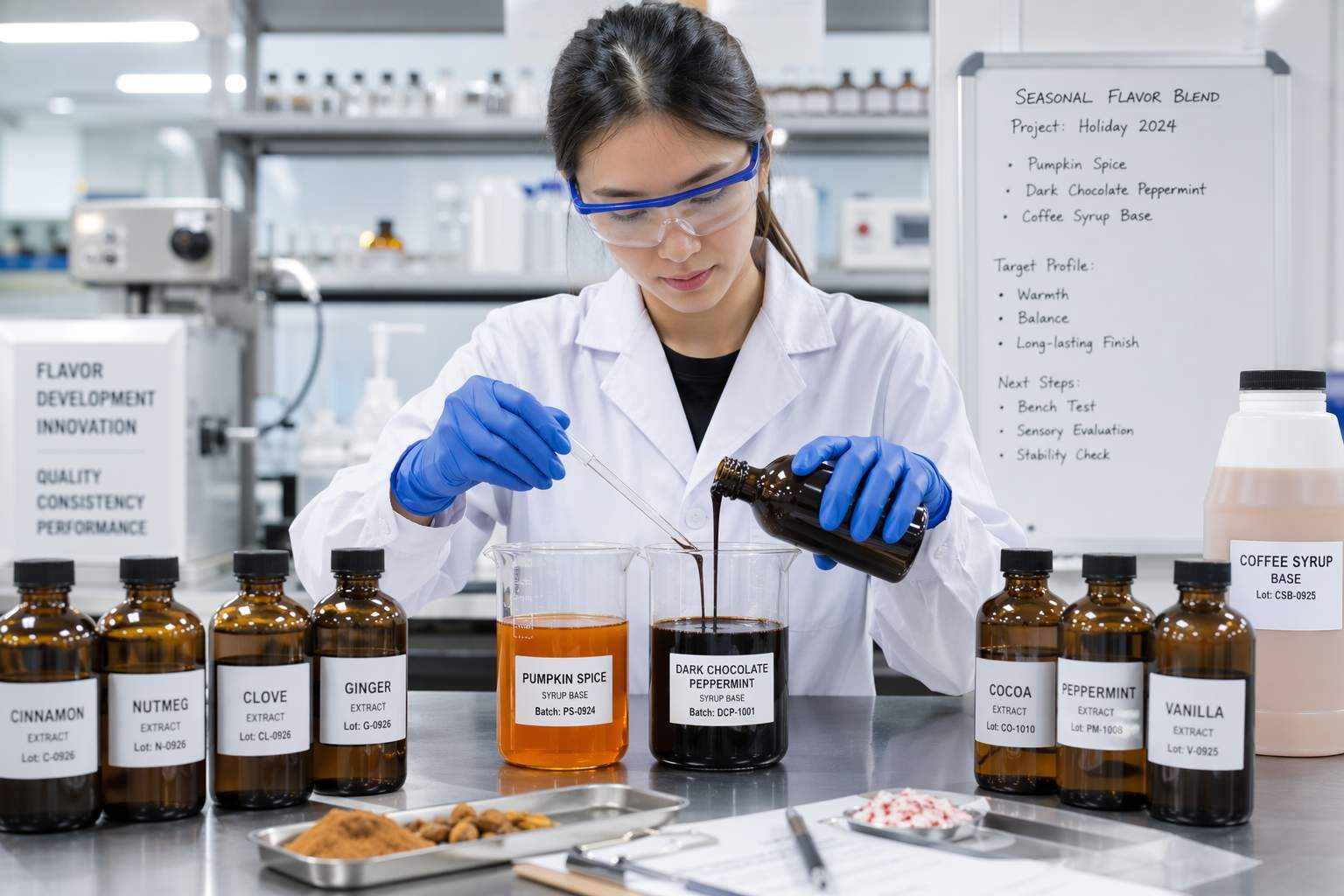
季节性咖啡糖浆风味研发实验室 — 翠贵味
商业咖啡糖浆的生产与稳定性考量
制造工艺概述
商业咖啡糖浆的生产遵循成熟的工艺流程,对于季节性香料和薄荷风味设有关键控制点。
- 水质:应使用去离子水或反渗透过滤水,以消除可能催化肉桂醛(南瓜香料)和薄荷醇(薄荷摩卡)氧化降解的矿物离子。尤其是铁离子和铜离子,会加速这些化合物的氧化反应,导致颜色变化和异味产生,从而降低产品的保质期。
- 糖的溶解与美拉德反应基础的形成:南瓜香料中,棕糖在75-85°C下缓慢溶解,控制加热时间(15-20分钟),有助于形成焦糖化的深度感。薄荷摩卡中,白糖在70-75°C下溶解,避免不必要的美拉德褐变,从而保持薄荷巧克力的纯净明亮特色。
- 南瓜香料的风味添加顺序:在冷却阶段(50-60°C)加入香料提取物(肉桂醛、丁香酚、肉豆蔻、姜)和香草/香草提取物,此时糖已基本溶解。避免在80°C以上的热糖溶液中加入香料浓缩液,以免造成热敏香料的挥发损失。
- 薄荷摩卡的风味添加顺序:在50-60°C时加入可可提取物和摩卡风味浓缩液,同时加入香草醛。最后在低于45°C时加入左薄荷醇和薄荷精油,以减少薄荷醇在生产中的挥发。由于薄荷醇具有较高的蒸气压(沸点212°C,25°C时蒸气压0.5 mmHg),在热溶液中加入会导致明显的挥发损失,需适当超量补偿。
- pH调节:两种糖浆均通过柠檬酸将pH调节至3.8-4.5,这一微酸性pH值有助于提升微生物稳定性,保护风味化合物的完整性(肉桂醛在微酸环境下更稳定),并赋予其明亮愉快的口感,避免糖浆显得平淡或过于甜腻。
- 热灌装或冷灌装:热灌装(在75-85°C下灌入已灭菌的瓶中,立即封口)为常规的常温保质咖啡糖浆工艺;冷灌装加防腐剂(山梨酸钾,0.05-0.1% w/v)则能更好保存薄荷醇的挥发性,但需冷藏流通或降低Brix值以适应。
保质期管理与包装设计
季节性咖啡糖浆的保质期主要取决于微生物稳定性(由Brix值、水活性和pH值控制)以及风味稳定性(由氧化控制管理):
- 南瓜香料的保质期:肉桂醛在紫外光照射下易缓慢氧化成肉桂酸,导致香料特色减弱。建议采用琥珀色玻璃或不透明包装,封存时充氮或二氧化碳。在60+ Brix、pH值3.8-4.5条件下,密封存放于20-25°C的环境中,南瓜香料糖浆的保质期可达18至24个月。
- 薄荷摩卡的保质期:薄荷醇为最易变质的成分,在紫外光照射与高温条件下缓慢氧化,产生被描述为“金属味”或“霉味”的异味。可可多酚亦易氧化,导致颜色变深及巧克力新鲜感丧失。建议采用深色玻璃或铝制包装、充氮封存,并存放于20°C以下环境。在60+ Brix、pH值4.0-4.5条件下,经过优化存储,薄荷摩卡糖浆的保质期可达12至18个月。
理解水溶性与油溶性香料系统之间的相互作用,对于季节性咖啡糖浆的配制至关重要——薄荷醇和香料精油成分需要采用特定的溶解方法。我们的技术指南 Water Soluble vs. Oil Soluble Flavors: What Works Best for Beverages?提供关键的框架,帮助选择复杂香料和薄荷糖浆配方中各组成部分的正确香味传递形式(水溶性预溶解、乳化油或包封粉末)。
清洁标签与天然配方之道
天然与人工:高端季节性糖浆的消费者期待
消费者调研持续显示,购买高端季节性咖啡糖浆的消费者——支持每瓶375毫升售价8至15美元的细分市场——更为重视“天然风味”、“真实香料”以及“无人工添加”,远高于大众市场的消费者比例。根据国际食品信息理事会(IFIC)2024年食品与健康调查,73%的高端食品消费者积极查阅成分标签,“天然”与“真实成分”成为特色食品与饮料类别中最主要的购买驱动因素。
南瓜香料糖浆实现纯净标签的天然声明,需满足:
- 采用天然肉桂提取(蒸馏自肉桂树皮)获得肉桂醛,而非合成生产——所有高端产品中的肉桂醛应符合21 CFR 101.22关于“天然”的定义。
- 采用天然的丁香花蕾油或油树脂(非合成丁香酚)作为丁香特性的来源。
- 通过标准化的天然南瓜提取物或浓缩南瓜泥,获取南瓜的自然风味,而非合成南瓜香气的重建。
- 薄荷摩卡糖浆实现天然声明,需使用:由蒸馏提取的天然薄荷油(Mentha piperita精油),而非合成薄荷醇;来自烘焙可可的天然可可提取物;以及在成本允许范围内,采用天然香草提取物代替合成香草醛。
法规标签体系
在主要市场销售的咖啡糖浆归类为食品,须遵循标准的食品安全与标签法规。
- 美国食品药品监督管理局:咖啡糖浆作为常规食品受到监管。所有香料成分必须符合21 CFR中的GRAS(普遍认为安全)标准。天然香料的声明必须源自21 CFR 101.22(a)(3)中定义的天然来源。关键的南瓜香料和薄荷摩卡香味化合物——肉桂醛(FEMA编号2286)、丁香酚(FEMA编号2467)、l-menthol(FEMA编号2665)和香草醛(FEMA编号3107)——都拥有成熟的FEMA GRAS身份,支持其在糖果、饮料和糖浆中的使用。
- 欧盟:咖啡糖浆中的香料成分受《欧盟条例(EC)第1334/2008号关于香料》的管控。声称天然香料成分,须通过物理、微生物或酶促工艺,从植物、动物或微生物原料中提取。
- 中国国家标准:出口至中国或为中国市场制造的咖啡糖浆,必须符合GB 2760-2014(食品添加剂标准)及相关风味成分目录。包括肉桂醛和丁香酚在内的关键香料衍生化合物被列入允许使用的风味物质,支持天然提取的季节性咖啡糖浆浓缩物在国内外的生产与出口。
常见问答:季节性咖啡糖浆配方
Q1:南瓜香料糖浆中肉桂、丁香、肉豆蔻和姜的最佳配比比例是多少?
传统的“南瓜派香料”比例,构成大多数商业南瓜香料糖浆的基础:肉桂50-55%、姜20-25%、肉豆蔻12-15%、五香粉8-10%、丁香3-5%,占香料总量的百分比。在达到目标Brix的成品糖浆中,这意味着香料复合物的用量为0.5%至2.0%,视所需浓郁度而定。关键变量包括:(1) 丁香/丁香酚不得超过香料复合物的5%,以避免药味占主导;(2) 姜应至少占15%,以提供必要的“新鲜温暖”感,避免整体偏平的肉桂味;(3) 香草/香草醛(非传统香料复合物的一部分)应在成品糖浆中加入0.03%至0.08%,作为关键的甜味融合剂。
Q2:如何避免薄荷摩卡糖浆出现过于“牙膏味”的情况?
薄荷摩卡中的“牙膏”感源自以下一种或多种原因:(1) 过高的l-menthol浓度(成品糖浆中超过0.08%),(2) 巧克力/可可负载不足以固定薄荷特性,(3) 缺乏Menthone和Menthyl acetate(天然薄荷油中存在,但合成l-menthol中缺失),(4) 缺少连接薄荷与巧克力的香草桥接化合物。解决方案:将薄荷醇浓度降低至0.04-0.06% w/v范围;增加可可提取物的用量;将合成l-menthol换成天然薄荷精油(其中含有Menthone和Menthyl acetate,带来更草本、少“口腔护理”感的薄荷品质);确保香草醛在成品糖浆中达到0.04-0.07%。
Q3:季节性咖啡糖浆可以不添加防腐剂而制作吗?
是的——在适宜的糖度(Brix)和pH值条件下,季节性咖啡糖浆通过水活性与酸度控制的联合屏障系统,实现了无防腐剂的常温保质期:(1) 60+ Brix(约0.85水活性或更低)抑制大部分致病和变质微生物的生长;(2) pH值在3.8-4.5范围内,进一步抑制酸敏感微生物;(3) 以75-80摄氏度热灌装到预先灭菌、密封严密的包装中,消除初始微生物负荷。在60-68 Brix(大部分高端手工咖啡糖浆的范围)、pH 3.8-4.0以及热灌装条件下,配方良好的季节性咖啡糖浆可实现12-18个月的常温存储期,无需添加防腐剂。
Q4:南瓜香料糖浆应如何调整以适应冷萃咖啡的使用?
冷萃咖啡的应用需对南瓜香料糖浆作出特定调整:(1) 相较于热饮目标,整体香料用量增加15-20%,因低温略减香料香气成分的挥发性;(2) 肉桂和姜的用量应比丁香和肉豆蔻比例更高——热咖啡中掩盖苦味、使丁香/丁香酚更易入口的效果,在冷萃中不存在;(3) 可考虑添加0.3-0.5%的可溶性玉米纤维以改善口感,因冷萃本身酸度低、质地较稀,增加黏稠感有益;(4) 若开发即饮南瓜香料冷萃咖啡(非仅糖浆),目标成品的pH值应在4.8-5.5之间(高于糖浆的pH值),以平衡冷萃基础较低的固有酸度。
Q5:翠贵味为季节性咖啡糖浆风味浓缩物提供哪些定制化选择?
广东崔怪调味有限公司(CUIGUAI)提供季节性咖啡糖浆风味浓缩液的全方位定制服务。我们的标准产品线包括:天然南瓜香料浓缩液(平衡的肉桂醛、丁香酚、肉豆蔻、姜和香草醛成分)、天然薄荷摩卡风味浓缩液(来自天然薄荷油的左薄荷醇、天然可可提取物及香草醛),以及姜饼、咸焦糖、枫糖红糖和蛋奶酒等多种配套季节性风味平台。定制方案可根据您的糖体系、Brix目标、咖啡底料类型及市场偏好,最低起订量为10公斤,配备完整技术资料,包括GC-MS分析、稳定性测试数据、FEMA GRAS合规证明及工艺指导。
结语:匠心打造定义季节的风味
南瓜香料与薄荷摩卡不仅仅是味觉的享受,更是文化的象征,塑造着数百万消费者从盛夏到秋冬的情感体验。精准的工艺,巧妙的配比——如恰到好处的肉桂醛与丁香酚比例、理想的薄荷与巧克力的相互作用,以及巧妙设计的糖系统以传递并放大风味,而非仅仅增甜——正是行业领袖与追随者的差异所在。
对于调味品制造商和饮料配料供应商而言,季节性咖啡糖浆是一个独特的商业机遇:这一类别中,技术精湛与感官真实能迅速转化为营收、品牌声誉和客户忠诚。深入理解化学原理、掌握配方技巧、确保批次一致性,将在整个季节性零售与餐饮环节中带来丰厚回报。
广东优味有限公司(CUIGUAI)之食品风味研发团队,深谙季节性香料与糖果风味的化学奥秘——涵盖精准化合物调配、天然提取物 sourcing 及工艺优化,确保在商业规模上展现出地道且稳定的季节性咖啡糖浆浓缩品。从单一香料提取浓缩物到完整验证的季节性糖浆风味体系,我们皆能提供品牌所需的风味基石,让您的产品在季节中闪耀独特光彩。
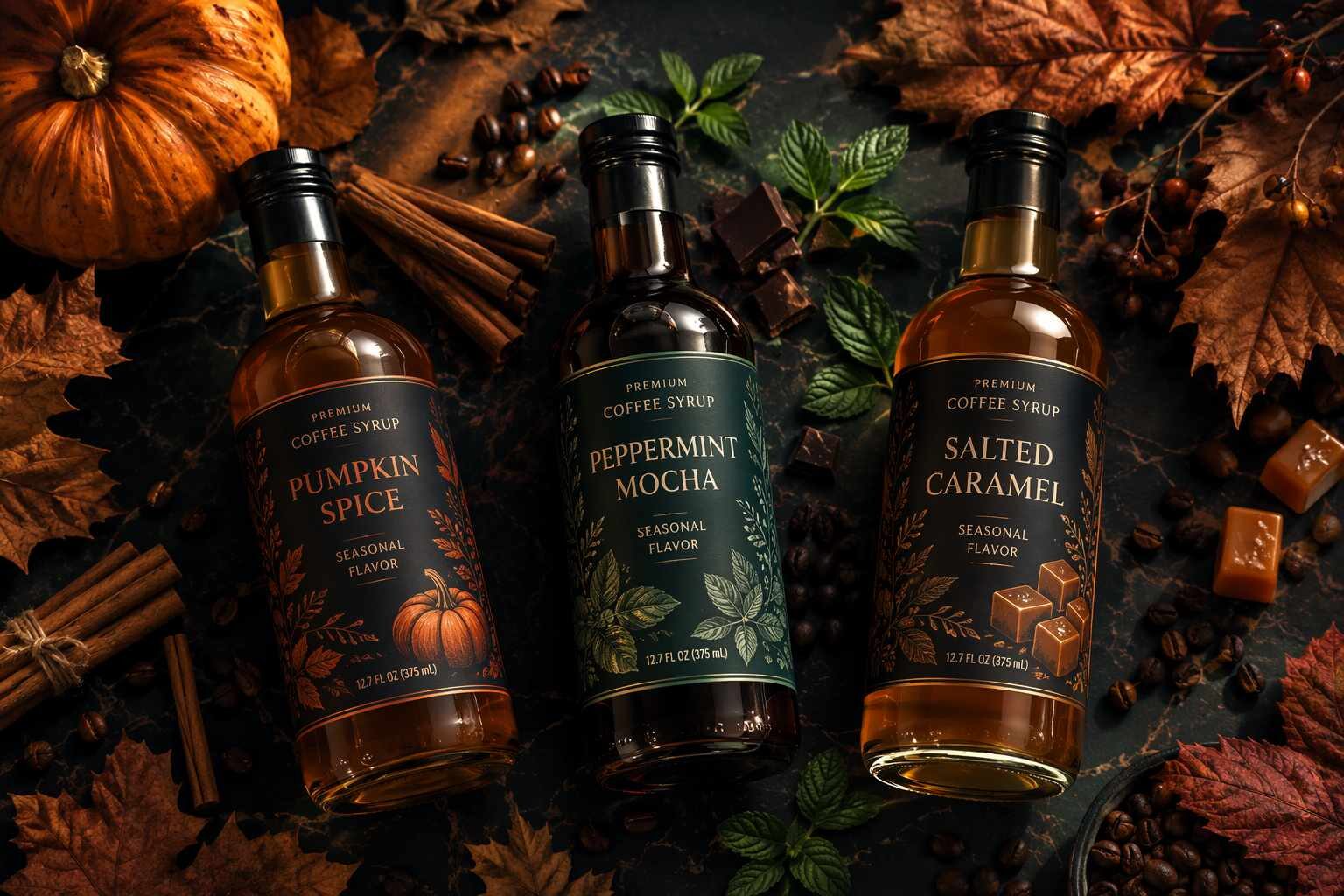
季节性咖啡糖浆产品 — 南瓜香料薄荷摩卡 翠贵味
翠归艾的 Intense Coffee Flavor作为薄荷摩卡糖浆开发的高端咖啡基础浓缩液,其浓郁而深邃的烘焙咖啡风味为类似浓缩咖啡的基底,增强摩卡层次,赋予成品糖浆真正的咖啡感深度,使其区别于单纯甜化的薄荷巧克力产品,彰显纯粹咖啡的独特魅力。
为开发具有柑橘明亮节日气息的季节性咖啡糖浆品牌——如橙子薄荷摩卡或香料柠檬茶——崔怪调味提供的 Lemon Tea Flavor展现出精准的柑橘茶香,提振浓郁的香料风味,增添清新明亮,为日益激烈的高端咖啡伴侣市场中的季节性混合增色,彰显其独特魅力。
申请技术咨询与免费风味样品
若您正研发季节性咖啡糖浆——如南瓜香料、薄荷摩卡或其他节日与秋季风味——并渴望拥有深厚配方经验支持的精准浓缩风味,CUIGUAI提供:
- 提供免费季节性咖啡糖浆风味浓缩液样品(南瓜香料、薄荷摩卡、姜饼、咸焦糖等),面向符合条件的食品与饮料制造商。
- 定制季节性糖浆风味配方——香料调配校准、薄荷巧克力平衡优化、糖系统设计,以及Brix值/ pH值规范。
- 完整技术资料:GC-MS分析报告、FEMA GRAS合规证明、稳定性测试数据及工艺参数指导。
- 起订量灵活,最低10公斤。月产能达200吨。
公司: 广东独特风味有限公司(翠怪风味)
电话: +86 0769 88380789
WhatsApp与Telegram: +86 189 2926 7983
电子邮箱: info@cuiguai.com
官网: https://www.cuiguai.cn
地址: 中国广东省东莞市道滘镇宾阳南阁东一街16号C座701室
参考资料
- 未来市场洞察(2026):咖啡糖浆市场全球行业分析(2026-2036)。https://www.futuremarketinsights.com/reports/coffee-syrup-market
- FlavorSum. (2025). 2025年四季季节性风味指南:食品与饮料风味趋势。https://7357007.fs1.hubspotusercontent-na1.net/hubfs/7357007/2025 Seasonal Flavor Guide - FlavorSum.pdf
- 国际食品信息理事会(IFIC)基金会。2024年《食品与健康调查》:消费者对天然与清洁标签声明的态度。https://www.foodinsight.org/2024-food-health-survey/
- SunnySky 产品公司(2025)。提升便利店与咖啡馆秋季饮品销量的前五大口味。https://sunnyskyproducts.com/articles/top-5-fall-beverage-flavors-to-boost-sales-in-c-stores-restaurants-bars-coffee-shops-and-more/
- 美国风味与提取物制造商协会(FEMA):GRAS项目——肉桂醛FEMA编号2286、丁香酚FEMA编号2467、左薄荷醇FEMA编号2665、香草醛FEMA编号3107。https://www.femaflavor.org/gras
- 美国食品药品管理局(FDA)。联邦法规代码21 CFR 101.22——天然香料定义。https://www.ecfr.gov/current/title-21/part-101
- 欧洲议会:关于香料的(EC)第1334/2008号条例。https://eur-lex.europa.eu/legal-content/EN/TXT/?uri=celex:32008R1334
- 大师咖啡烘焙师(2025)。季节性咖啡饮品:品味潮流新风尚。https://www.mastercoffeeroasters.com/blogs/master-coffee-roasters-blog/seasonal-coffee-drinks-flavor-trends
- Syruvia 博客(2024)。咖啡糖浆潮流前瞻:探索最新风味与创新。https://syruvia.com/blogs/blog-posts/top-coffee-syrup-trends-discover-the-latest-flavors-and-innovations