作者: CUIGUAI调味研发团队
出版: 广东独特香料有限公司
最后更新: 二月 27,2026
新风味的诞生,非始于庞大的生产车间,而是在精密细致的研发实验室中孕育。风味化学家与食品技术专家在微量试验中反复调配,细腻平衡各种细节,创造出独一无二的感官体验。然而,将这份匠心之作转化为可行的高产量商品,迈向货架,既是一项关键又极为复杂的工程。这个过程被称为“从实验室到生产线:成功放大风味配方”,是艺术与科学的完美交融。在本文中,我们将深入探讨这一关键环节的技术奥秘、挑战与最佳实践。

化学家的工作瞬间
风味配方的放大不仅仅是简单的配方乘倍。这是一场涉及多维度的工程挑战,需深谙原料特性、加工技术及大规模生产对感官品质的影响。成功实现从实验台到生产线的平稳过渡,依赖于周密的规划、严谨的测试与研发、生产、质控和工程团队的无缝合作。若放大失败,后果严重——可能导致产品品质不一、异味出现、生产延误、资源浪费,甚至品牌声誉受损。
The path from a benchtop prototype to millions of gallons or pounds of a finished product is fraught with potential pitfalls. A nuance that delighted in the lab might disappear entirely on the production line, while subtle bitterness, unnoticeable at a small scale, might become amplified in larger volumes. Even minor changes in processing equipment, ingredient sourcing, or temperature profiles can have profound and unexpected consequences. This blog post aims to serve as a comprehensive guide for food and beverage manufacturers navigating this tricky terrain, offering insights and technical strategies to ensure that the exquisite flavor profile meticulously crafted in the lab is faithfully reproduced on the commercial line. We will explore the common challenges, essential technical considerations, the pivotal role of pilot trials, and the best practices for achieving sensory and functional consistency at scale.
Transitioning from a 100-gram lab batch to a 5,000-gallon production run introduces a host of variables that can dramatically impact the final flavor. It’s not just about more ingredients; it’s about how those ingredients interact, how heat is transferred, and how mass is moved at a much larger scale. One of the primary challenges is that large-scale equipment often operates differently than lab-scale apparatus. A benchtop mixer, for example, might provide quick and efficient blending of a small volume, but a massive industrial tank with a substantial agitator might introduce different shear forces, potentially impacting emulsion stability or ingredient dispersion. This phenomenon is often studied in Chemical Engineering, where the principles of fluid dynamics, heat transfer, and mass transfer are critical. Understanding the nuances of your specific production equipment and how it differs from your lab setup is foundational to a successful scale-up.
传热亦为关键因素。小容器的加热与冷却相对迅速且均匀,而在大型生产设备中,温控可能缓慢且不均,易引发局部过热(焦化)或热处理不足。这对热敏感的风味成分尤为不利。同样,将均质化或喷雾干燥等工艺放大,也带来诸多复杂性。工业用均质器的压力与流速远超实验室设备,影响颗粒大小与稳定性;喷雾干燥则需精细调控空气温度、供料速率及喷嘴压力,复制这些精确条件于大规模生产中,是一项极富挑战的技术成就。
除了设备差异之外,原料的变异性在大规模生产中愈发凸显。实验室或许只用一批高度纯净的原料,但生产过程中,来自不同供应商或不同批次的原料,难免存在微小的自然差异。这些差异会逐步积累,影响最终风味。此外,时间也是关键因素。工业流程自然耗时更长,原料在加工中会暴露于热、剪切或氧化等条件下更久。理解时间依赖的反应对风味配方的影响,至关重要。
To mitigate these risks and bridge the gap between lab and line, the use of a pilot plant is absolutely essential. A pilot plant is a facility that houses intermediate-scale equipment, typically 10 to 100 times larger than lab scale, but much smaller than full production. This is where formulations are rigorously tested and refined before the final leap to commercial production. Pilot trials are not just about confirming that the recipe works at a larger volume; they are an opportunity to gathering critical process data and identify potential issues early on. During a pilot run, engineers and food scientists can meticulously measure key parameters like mixing times, heating and cooling rates, shear rates, and ingredient dispersion. They can sample the product at various stages to monitor quality and look for any unintended changes. This data is invaluable for optimizing the full-scale process and ensuring product consistency.
The pilot plant also allows for experimentation with different process conditions. If a certain flavor note is found to be too strong or too weak, adjustments can be made to the processing parameters without risking a massive production batch. It’s a controlled environment where lessons can be learned safely and cost-effectively. For a more detailed understanding of the role of pilot plants in food and beverage development, you can consult resources from industry associations like the Institute of Food Technologists (IFT)试验工厂在验证生产工艺的可行性中扮演着至关重要的角色,是稳健放大策略的基石。若缺少这一中间环节,产品在推向市场时面临的风险将大大增加,成本亦难以控制。

感官评审团
The successful scale-up of a flavor formulation is rooted in addressing a series of interconnected technical considerations. These considerations can be broadly grouped into four main areas: ingredient specifications, processing parameters, analytical validation, and sensory evaluation. Let’s delve into each of these.
The quality and consistency of your ingredients are the foundation upon which your flavor profile is built. While small variations in a lab setting might be negligible, they can be amplified in a large production run. Therefore, it’s critical to establish stringent, data-driven specifications for every ingredient in your formulation. This includes not just the major components but also the seemingly minor ones like emulsifiers, stabilizers, and even solvents. Working closely with your suppliers to understand their natural variations and negotiating tight specifications for key quality parameters is essential. For instance, in citrus oils, the level of specific terpenes or aldehydes can dramatically alter the fresh and zesty character. Specifications should encompass properties like viscosity, density, refractive index, particle size, microbial load, and, most importantly, key flavor active compounds. The more precise your specifications, the more predictable your outcome.
加工参数犹如生产线上的“操控杆与旋钮”,须经过细致优化,以确保最终风味与实验室目标高度契合。以下是一些关键的工艺考量:
仅凭感官评估进行放大验证远远不够。定量分析数据是确认放大产品在理化性质上与实验室原型一致的关键。这时,先进的分析仪器便显得尤为重要。主要分析指标包括:
While analytical data is crucial, the final arbiter of a flavor’s success is always human perception. Sensory evaluation is, therefore, an integral part of the scale-up process. It involves a systematic and objective assessment of the flavor profile by trained sensory panels. These panels are specifically trained to identify and quantify the intensity of different flavor attributes. During scale-up, sensory evaluation serves several purposes:
感官评价中常见的难题是缺乏充足的训练有素的评审人员。然而,这一投入价值非凡,专业且训练有素的评审团队,是确保产品品质的无价之宝。它们提供了最后的验证,证明细致的技术工作已成功将理想的风味转化为可推向市场的成品。
To illustrate the importance of pilot trials, consider a hypothetical scenario: scaling up a complex berry flavor for a dairy application. In the lab, a chemist creates a vibrant, multi-layered berry profile. The critical challenge in this scenario is maintaining the delicate top notes of raspberry while managing the inherent sulfur notes in the berry oils and ensuring compatibility with the creamy base. The pilot trial would be instrumental in:

试验工厂团队
This iterative process of testing, analyzing, and refining in the pilot plant is not an unnecessary delay; it’s a strategic investment that pays dividends in consistent product quality, reduced production risk, and, ultimately, a faster and more successful market launch.
The path to flavor scale-up success is paved with a few predictable pitfalls. Here’s a quick checklist of common missteps to avoid:
成功的风味放大,彰显了艺术配方与严谨工程的完美融合。它要求对原料、加工技术以及流体动力学、热传递与质量转移原理有深刻理解。通过细致定义原料规格、优化工艺参数、结合定量分析验证及专家感官评估,食品饮料制造商能架起实验创新与生产现实之间的桥梁。试验工厂作为关键的中间环节,是实验与数据收集的宝贵平台,有效降低转型中的风险。虽然“从实验室到生产线”的道路充满挑战,但其成果令人欣慰——助力独特创新风味的成功商业化,丰富全球消费者体验。作为专业的风味制造商,我们致力于助您顺利踏上这一旅程,提供尖端技术、先进设施与不懈的专业投入,将您的创意愿景完美转化为高效、规模化的现实。

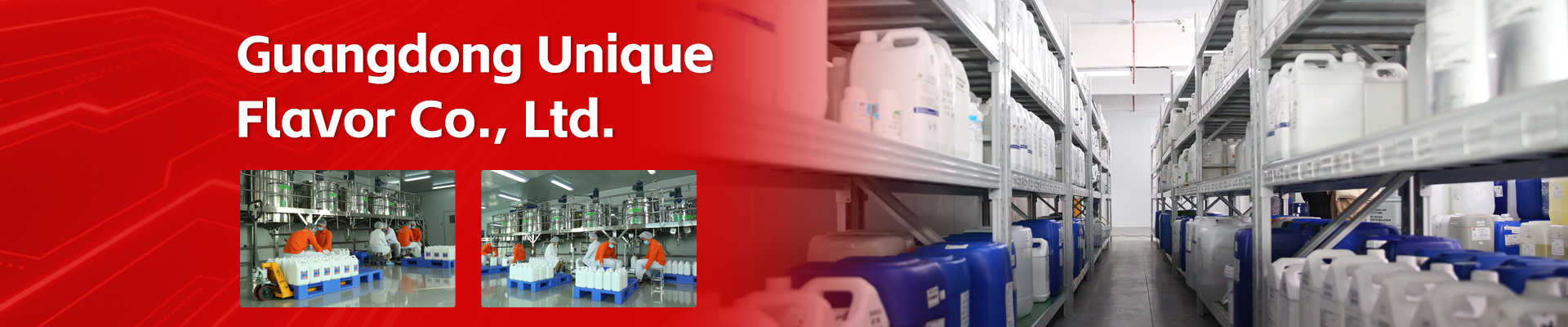
风味工厂
将复杂的风味配方从实验室扩展到商业生产线,是一项充满技术挑战的关键任务。确保在大批量中感官特性、质地与稳定性的一致性,需具备专业的风味化学与工艺工程知识。作为食品和饮料香精行业的领军制造商,我们深谙“从实验室到生产线”的每个细节。我们的先进研发与试验工厂设施,旨在助您顺利完成这一转变。我们提供全面的服务,包括:
准备将您的创新风味从实验台迈向全球市场?诚邀您与我们的专家团队开启技术交流。让我们助您确保精心打造的绝妙风味在商业生产线上得以如实再现,批次相传。我们愿意探讨您的具体难题,挖掘试验工厂的潜能,甚至提供免费样品供初步评估。
让我们携手共进,共同开启成功的风味放大之旅!
| 联系方式 | 细节 |
| 🌐 网站: | www.cuiguai.cn |
| 📧 邮箱: | 信息@cuiguai.com |
| ☎ 电话: | +86 0769 8838 0789 |
| 📱 WhatsApp: | +86 189 2926 7983 |
| 📍 工厂地址 | 中国广东省东莞市道滘镇滨中南路16号3号楼701室 |
版权所有 © 2025 广东独特香料有限公司,保留所有权利。 Return and Exchange Policy