在食品与饮料开发的纷繁世界中,焦点常聚于那些明星:挥发性芳香化合物和复杂提取物,它们共同塑造出独特的风味。我们为草莓香气中酯的最佳比例或波旁香草的精准提取方法而痴迷。然而,风味背后那些默默无闻的英雄——它们的舞台,就是溶剂。Often referred to interchangeably as "carriers," solvents are far more than passive diluents. For the professional flavorist and the food scientist, understanding flavor solvents is not merely about stoichiometry; it is about mastering the mechanics of flavor delivery, stability, and perception. A precisely crafted flavor profile can fail spectacularly in the final application if paired with the wrong carrier system.As a professional manufacturer of industrial flavors, we recognize that the "solvent system" is the backbone of any successful formulation. This comprehensive guide delves into the technical realities of flavor solvents, exploring the chemical criteria for selection, the unique properties of industry standards, and the regulatory landscape governing their use.
1. 超越稀释:溶剂的功能性使命
If flavor compounds are the "message," the solvent is the "medium." In its pure form, a flavor concentrate—a dense mixture of aldehydes, ketones, esters, and essential oils—is often unusable. It may be too potent for direct dosing, too viscous to handle on a production line, or chemically unstable when exposed to oxygen or light.溶剂的主要作用确实是稀释,统一风味强度,确保工业食品生产中的剂量一致。然而,其功能远不止于此:
This is perhaps the most critical function. The solvent dictates how the flavor is "carried" into the food matrix and, subsequently, how it is released in the mouth. The interaction between the solvent, the food base (fat vs. water), and the saliva determines the partition coefficient 关于香味化合物。A highly volatile solvent like ethanol may provide an immediate "burst" of top notes upon opening a beverage, while a heavier solvent like glycerin might retard the release, offering a longer-lasting sensation in a confectionery application. The choice of carrier fundamentally shapes the temporal sensory experience.
Selecting the appropriate solvent is a multi-dimensional puzzle. There is no single "best" solvent; there is only the best solvent for a specific 应用。在为客户配方时,我们会评估多个关键的理化参数。
2.1 极性光谱
"Like dissolves like" is the fundamental rule of flavor chemistry. Flavor compounds range from highly polar (water-soluble acids and alcohols) to highly non-polar (oil-soluble terpenes and fats).The solvent must match the polarity of the flavor payload to ensure complete dissolution. If you try to dissolve citrus essential oils (non-polar) directly into water (polar), you get immediate separation—an emulsion, not a solution. The flavorist must choose a solvent that sits in the "Goldilocks zone," compatible enough with the aroma chemicals to hold them, but compatible enough with the final food product to disperse evenly.
2.2 粘度与工艺性
Viscosity is a practical constraint in manufacturing. While a thick, syrupy carrier might offer excellent flavor retention in hard candy, it can be a nightmare for automated liquid dosing systems in a high-speed beverage bottling plant. We must balance sensory needs with the realities of our clients' production equipment.
2.3 Sensory Neutrality (The "Blank Canvas")
Ideally, a solvent should be organoleptically inert—colorless, odorless, and tasteless. It should not contribute its own notes or mask the delicate aromatics it carries. While no solvent is perfectly invisible, some are more neutral than others. Ethanol, for example, has a distinct "bite" and aroma at high concentrations, which must be accounted for in the final profile.
The "Flash" Factor:Ethanol’s key feature is its high volatility. In beverages, this provides immediate "top note impact"—that fresh burst of aroma the consumer perceives instantly.
Considerations:While globally accepted, some "clean label" trends shun PG due to its unfamiliar sounding name to consumers, despite its established safety record.
3.4 甘油(植物甘油/VG):粘稠的替代品
Glycerin (E422) is often used as a "natural" alternative to PG, as it is typically derived from vegetable oils (rapeseed, soy, or palm).
Key Advantages:Excellent humectant properties. Considered "clean label" and "natural" by most consumer standards. High boiling point makes it relatively stable in high-heat applications like baking.
专业制造商无一例外须遵循法规。食品香料中所用的溶剂,必须符合严格的安全标准。在美国,主要的监管框架由食品药品监督管理局(FDA)负责。风味成分,包括溶剂,通常须获得“普遍认为安全(GRAS)”的认定。 GRAS (Generally Recognized As Safe)这一称谓意味着该物质经过专业权威的专家认定,认为其在预定用途上是安全可靠的。该领域的重要机构是 Flavor and Extract Manufacturers Association (FEMA). FEMA’s expert panel conducts rigorous scientific assessments of flavor ingredients to determine their GRAS status. The "FEMA GRAS" list is the global gold standard for flavor safety assessment."The FEMA Expert Panel's primary function is to evaluate the safety of flavoring substances... The Panel's safety evaluations are conducted independently of the flavor industry and are based on the best available scientific data." (Source: Flavor and Extract Manufacturers Association - FEMA)在选择溶剂之时,我们确保其符合相关地区法规,例如欧盟的第(EC) No 1334/2008号条例,该法规规管食品中及食品上的香料使用。同时,我们也会考虑饮食限制,确保符合清真或犹太洁食的要求(如避免使用乙醇以符合清真标准,或确保甘油不含动物副产品以符合犹太洁食标准)。
5。 高阶配方:精准匹配溶剂与应用场景
The "art" of flavor science lies in predicting how a solvent will behave in the final food matrix. Here are examples of application-specific challenges:
5.1 饮品挑战:清澈与冲击力的较量
In a clear, sparkling beverage, the flavor must be crystal clear. If the flavor contains citrus oils (non-polar) carried in ethanol, adding it to the sugary water base can cause the oils to drop out of solution, creating a cloudy ring at the neck of the bottle known as "ringing."
The Solution:Flavorists often use "washed" extracts (where terpenes are removed) or rely on co-solvent systems using PG and water to create a "water-soluble" flavor that maintains clarity.
5.2 高温应用:烘焙与糖果制造
In industrial baking, internal product temperatures can exceed 95°C (203°F), and surface temperatures are much higher. A highly volatile solvent like ethanol will "flash off" rapidly during the baking process, potentially taking many volatile flavor notes with it before the product structure sets.
The Solution:For high-heat applications, we favor carriers with higher boiling points and lower volatility, such as propylene glycol or vegetable glycerin. These solvents help "anchor" the flavor compounds within the food matrix, ensuring the taste survives the oven.
5.3 干混与镀覆
When flavoring dry applications like protein powders, instant beverage mixes, or snack seasonings, liquid flavors must be converted to powder. This is often done through "plating," where the liquid flavor is sprayed onto a dry carrier like maltodextrin or salt.
The Solution:此处溶剂的粘度尤为关键。若过于粘稠(如纯甘油),会使粉末结块而非均匀包覆。乙醇或低粘度的丙二醇溶液常被优先选择以实现高效包覆。
6。 结语:载体选择的战略意义
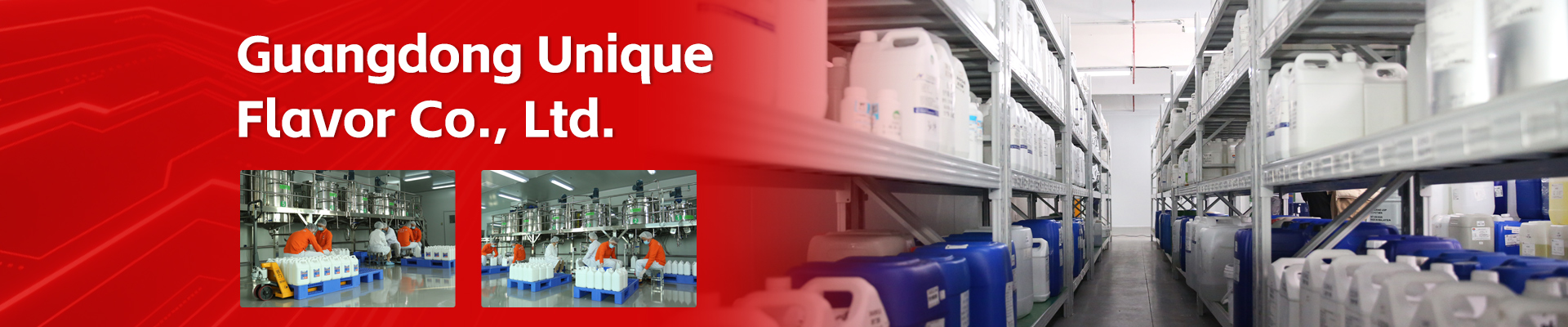
在专业的风味制造中,溶剂从不被视为附属。它们是决定风味稳定性、效果以及最终感官表现的战略利器。用错了溶剂,即使是优质的风味,也可能成为失败的前奏。在溶解度参数、挥发速率、工艺限制与法规要求之间的相互作用中穿梭,需深厚的专业技术。此过程需要合作伙伴超越单纯的芳香化合物,审视整个传递体系。At our manufacturing facilities, we don't just create tastes; we engineer flavor solutions engineered to perform reliably in your specific food
成品消费者产品
准备好优化您的风味配方了吗?
Are you facing challenges with flavor stability, release, or production handling in your current applications? Our team of senior flavor scientists is ready to assist. Let's discuss how the right carrier system can elevate your product.
S. Food and Drug Administration (FDA). "Generally Recognized as Safe (GRAS)." FDA.gov. Contains information regarding the regulatory basis for safety assessments of food ingredients.
Flavor and Extract Manufacturers Association (FEMA). "About the FEMA Expert Panel." FEMA.org. Describes the industry standard process for evaluating the safety of flavoring substances.
Perfumer & Flavorist. "Flavor Carriers: A Review." (Industry Journal). Provides trade-specific insights into the practical applications and challenges of various carrier systems.