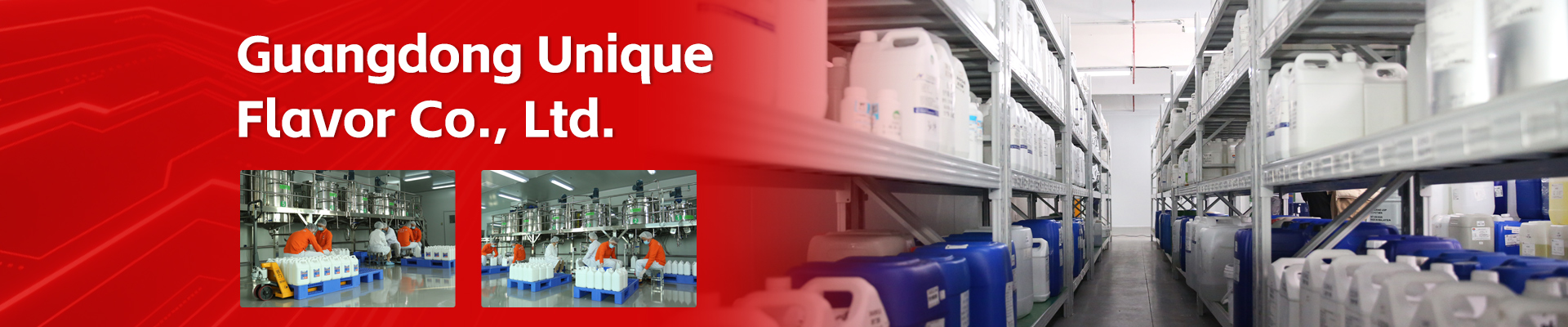
The global transition toward plant-based diets is no longer a niche movement; it is a fundamental shift in the food and beverage landscape. However, for the modern consumer, "plant-based" is no longer enough. The "flexitarian" demographic, which drives the majority of market growth, demands sensory parity. They want the creaminess, the subtle sweetness, and the complex aromatic profile of bovine milk, but derived from oats, almonds, peas, or soy.As a professional manufacturer of food and beverage flavorings, we recognize that bridging this "sensory gap" is one of the most significant technical challenges in food science today. This blog post provides an exhaustive, technically detailed exploration of the chemistry, formulation strategies, and innovative technologies required to achieve authentic dairy profiles in plant-based matrices.
1. L'anatomie chimique du lait : ce que nous répliquons
To replicate dairy, we must first deconstruct it. Bovine milk is a complex biological emulsion of water, lipids, proteins (casein and whey), and carbohydrates (lactose). Its flavor is not the result of a single "milk molecule" but a symphony of hundreds of volatile and non-volatile compounds.
1.1 Les Principaux Composés Volatils Moteurs
The primary aromatics that signal "dairy" to the human brain include:
Lactones (δ-Decalactone, γ-Dodecalactone):These are the heavy hitters of "creaminess." They provide the fatty, peachy, and mouth-coating notes associated with high-fat cream and butter.
Methyl Ketones:Compounds like 2-heptanone and 2-undecanone provide the characteristic "cooked milk" or slightly earthy notes found in UHT (Ultra-High Temperature) treated dairy.
Fatty Acids:Les acides gras à chaîne courte tels que Butyric Acid (CH3CH2)2COOH) are essential. In trace amounts, they provide the "soul" of dairy—that slightly tangy, characteristic "animal" note that distinguishes milk from a simple sweet liquid.
Dimethyl Sulfide:This provides a very subtle "savory" or "cereal" undertone that rounds out the sweetness.
1.2 Le Rôle de la Texture Buccale (Non-Volatiles)
Authentic taste is inseparable from texture. Dairy milk provides a unique "cleansing" effect on the palate while simultaneously leaving a lingering film of fat. In dairy alternatives, the absence of milk fat and the presence of gritty plant proteins often result in a "thin" or "chalky" mouthfeel that masks the flavor.
2. Le défi de la matrice végétale : la mitigation des notes indésirables
Unlike the relatively neutral profile of cow’s milk, plant bases come with "chemical baggage." Each source—be it pea, soy, or oat—possesses inherent off-notes that can clash with dairy-type flavorings.
2.1 Notes de dégustation communes aux plantes
Pulses (Pea, Chickpea):High in "beany" and "grassy" notes due to lipoxygenase activity, and "bitter/astringent" notes from saponins and phenolic compounds.
Grains (Oat, Rice):Naturally high in "cereal" or "toasted" notes. While oat is popular because its profile is "friendly" to dairy, it can become overly sweet or "mushy" tasting.
Nuts (Almond, Cashew):Strong "marzipan" or "nutty" volatiles that can overwhelm subtle cream flavors.
Citation 1 (Rapport de recherche industriel) :According to the Good Food Institute's (GFI) technical analysis on plant-based proteins, the presence of volatile compounds like hexanal and pentanal in legume-based milks is a primary barrier to consumer acceptance, requiring sophisticated masking technologies to neutralize "beany" perceptions.Source : Rapports GFI sur la science des aliments et boissons végétaux.
2.2 Solution Technique : Masquage versus Modification
To achieve an authentic taste, we don't just add "milk flavor." We first employ masking agents. These are flavor components that occupy the same olfactory receptors as the off-notes without adding a distinct flavor of their own. For example, specific vanillin derivatives at sub-threshold levels can "blur" the edges of pea protein bitterness, creating a clean slate for the dairy aromatics.
3. Stratégies de formulation spécifiques à la base
Every plant base requires a bespoke "flavor fingerprint." There is no "one-size-fits-all" dairy flavor.
3.1Protéine de pois : le défi de l’amertume
Les protéines de pois sont d’une valeur nutritionnelle exceptionnelle mais présentent des défis sensoriels.
Formulation Focus:Utilisez des arômes à haute intensité maskers Pour bloquer l'amertume des alcaloïdes.
Flavor Pairing:Lean into "Savory-Dairy" notes. Compounds like Diacetyl (beurre) et Acetoin work well to bridge the gap between the pea's earthiness and a creamy finish.
3.2Lait d’avoine : la gestion du sucre
Le lait d’avoine est souvent traité enzymatiquement, transformant l’amidon en maltose, ce qui lui confère une douceur naturelle.
Formulation Focus:Évitez d’ajouter davantage de douceur. Préférez plutôt utiliser delta-lactones to add "fatty weight" and sodium chloride (ou sels minéraux) pour équilibrer le profil riche en maltose.
Target:A "Barista-style" profile requires high heat stability for the flavor molecules to survive steaming.
3.3Laits d’amande et de noix : maîtriser l’astringence
Nut milks often lack the "body" of dairy.
Formulation Focus:Concentrez-vous sur Mouthfeel Enhancers. Hydrocolloids (like guar gum or gellan gum) are often paired with "creamy" flavors that have a high LogP (partition coefficient), allowing the flavor to linger on the tongue just as milk fat does.
Analyse précise des saveurs
4. La science de la sensation en bouche : au-delà de l'arôme
The "Authenticity" of dairy is 50% aroma and 50% physics. When we talk about "creaminess," we are talking about lubricity et viscosity.
4.1 Mimétiques lipidiques et technologie d’émulsion
Dans les produits laitiers, les globules de graisse sont petits et uniformes. Dans les laits végétaux, nous utilisons des systèmes d’assaisonnement comprenant lipid mimetics. These are flavor-active oils or esters that provide a "slip" on the tongue.Nous examinons également Flavor-Matrix Interactions. Plant proteins are more reactive than casein. They can "bind" flavor molecules, making them unavailable for perception (a phenomenon known as flavor scalping). To combat this, we use encapsulated flavors that release only upon mastication or heating.
4.2 The "Maillard" Dimension
When milk is processed, the lactose and proteins undergo the Maillard reaction, creating "malty" and "toasted" notes. For dairy alternatives used in coffee or cooking, we incorporate Maillard-derived flavor precursors. These allow the plant milk to develop an authentic "cooked dairy" aroma when heated by the consumer.
5. Développement d'applications spécifiques : yaourt et fromage
Au-delà du lait liquide, les défis techniques augmentent de manière exponentielle pour les alternatives laitières fermentées.
5.1 Yaourt végétal : l’équilibre acido-basique
Le yaourt traditionnel se définit par la fermentation du lactose en acide lactique.
The Flavor Challenge:Plant bases don't always produce the same "tang."
Technique:Nous faisons usage de natural flavor systems Riche en Lactic Acid, Butyric Acid, et Acetaldehyde (the signature "green apple" note of yogurt). These must be carefully balanced to ensure they don't taste "chemical" against the plant protein background.
5.2 Fromage végétal : l’avant-garde du soufre et des acides gras
Cheese is perhaps the "holy grail" of dairy alternatives.
The Flavor Challenge:Le fromage repose sur la dégradation des protéines (protéolyse) et des graisses (lipolyse).
Technique:Pour garantir l’authenticité, nous exploitons Sulfur-containing compounds (comme le Trisulfure de Diméthyle) pour les profils vieillissants et medium-chain triglycerides for the "waxy" mouthfeel of cheddar or mozzarella.
Citation 2 (Institution académique) :A study from the University of Massachusetts Amherst's Department of Food Science highlights that the success of plant-based cheese depends on the "synergistic effect" between plant-derived fats (like coconut oil) and the controlled release of volatile fatty acids that mimic the lipolytic profile of aged dairy.Source : Journal of Food Science / Archives de recherche de l’UMass Amherst.
6. Regulatory and Consumer Trends: The "Clean Label" Mandate
As we manufacture these complex flavorings, we must navigate the increasingly stringent regulatory landscape and the consumer's demand for "transparency."
6.1 Naturel vs. Artificiel
The modern consumer scrutinizes the ingredient deck. Achieving a "heavy cream" flavor using only Natural Flavors (per FDA 21 CFR 101.22)ou FTNF (From The Named Fruit/Source) C'est une tâche sophistiquée. Elle consiste à sourcing des molécules telles que la gamma-undecalactone à partir de sources botaniques plutôt que de précurseurs synthétiques.
6.2 Conformité Non-OGM et biologique
Many dairy alternative brands target the organic market. This requires flavorings that use organic-compliant carriers (like organic ethanol or organic vegetable glycerin) and avoid any solvents that are "taboo" in the organic world.Citation 3 (Site officiel du gouvernement) :The U.S. Department of Agriculture (USDA) National Organic Program (NOP) provides strict guidelines on the use of non-synthetic flavors in organic-labeled products, requiring that "natural flavors" be produced without the use of synthetic solvents, carriers, or preservatives.Source : USDA NOP 7 CFR Part 205.
La Perfektion du Service Végétal
7. L'avenir de l'aromatisation : fermentation de précision et au-delà
Quelle est la direction de l’industrie ? La prochaine frontière pour atteindre l’authenticité laitière est Precision Fermentation.By using micro-organisms (yeast or fungi) to produce "animal-free" dairy proteins like Beta-lactoglobulin, nous pouvons établir une fondation qui is chemically dairy but without the cow. However, these proteins still require the "aromatic soul" that only expert flavoring manufacturers can provide.Nous assistons également à l’émergence de Hybrid Products, which blend plant proteins with small amounts of precision-fermented dairy proteins. Flavoring these hybrids requires a deep understanding of how plant and "animal-free" proteins interact differently with volatile esters and ketones.
8. Case Study: The "Perfect" Plant-Based Butter
Pour illustrer notre démarche technique, examinons la formulation d’un arôme de beurre végétal.
The Base:Généralement de l’huile de coco ou de palme (riche en graisses saturées pour la structure).
The "Top Notes":Diacetyl et Acetyl Propionyl Pour un impact beurré immédiat.
The "Body":Delta-Decalactone to provide the lingering, creamy, "fatty" sensation.
The "Finish":Une quantité infime de Butyric Acid to provide the characteristic "tang" of cultured butter.
The Masking:A subtle yeast extract flavor to mask any "soapy" notes from the coconut oil.
This multi-layered approach ensures that the consumer doesn't just taste "butter flavor"—they experience Beurre.
9. Pourquoi collaborer avec une maison de saveurs professionnelle ?
Creating a dairy alternative is easy; creating one that consumers buy repeatedly is incredibly difficult. The "Flavor-First" approach is what separates market leaders from also-rans.
9.1 Nos avantages techniques :
Customization:We don't offer a "standard milk." We analyze your Une base végétale spécifique (fève, pomme de terre ou amande) pour élaborer un profil aromatique qui complète sa chimie unique.
Stability Testing:Nos arômes sont évalués pour UHT stability, shelf-life oxidation, et freeze-thaw stability.
Sensory Evaluation:Our in-house panels use descriptive analysis to ensure the "Dairy Authenticity" score is maximized.
Citation 4 (Association professionnelle) :L'Organisation Internationale de l'Industrie des Arômes (IOFI) souligne que la complexité de la création des saveurs pour les alternatives végétales requiert une approche pluridisciplinaire alliant chimie analytique, science sensorielle et expertise réglementaire.Source : Normes et publications mondiales de l’IOFI.
Collaboration de la conception à la commercialisation
Conclusion : La nouvelle ère des produits laitiers
The "Dairy Alternative" category is evolving into the "Modern Dairy" category. Consumers are moving past the novelty phase and into the "quality phase." To win in this space, manufacturers must move beyond basic sweetening and move toward Molecular Authenticity.By leveraging the physics of mouthfeel, the chemistry of volatile aromatics, and the art of off-note masking, we can create plant-based products that don't just "replace" dairy—they equalcela.
Appel à l'action
Prêt à perfectionner votre profil végétal ?The difference between a "good" plant-based product and a "market-leading" one lies in the subtle nuances of flavor chemistry. At Saveur CUIGUAI, nous sommes spécialisés dans l'échange technique nécessaire pour résoudre les défis les plus complexes des alternatives laitières.Don't settle for "plant-like." Aim for "Dairy Authentic."
Demandez une consultation technique :Discutons de votre base protéique spécifique et de votre profil cible.
Demande d’échantillon gratuit :Experience our latest "Creamy-Mod" and "Plant-Masker" series firsthand.