作者: CUIGUAI调味研发团队
出版: 广东独特香料有限公司
最后更新: 十一月 21,2025年
洞察全球味觉:风味制造商的战略必由之路
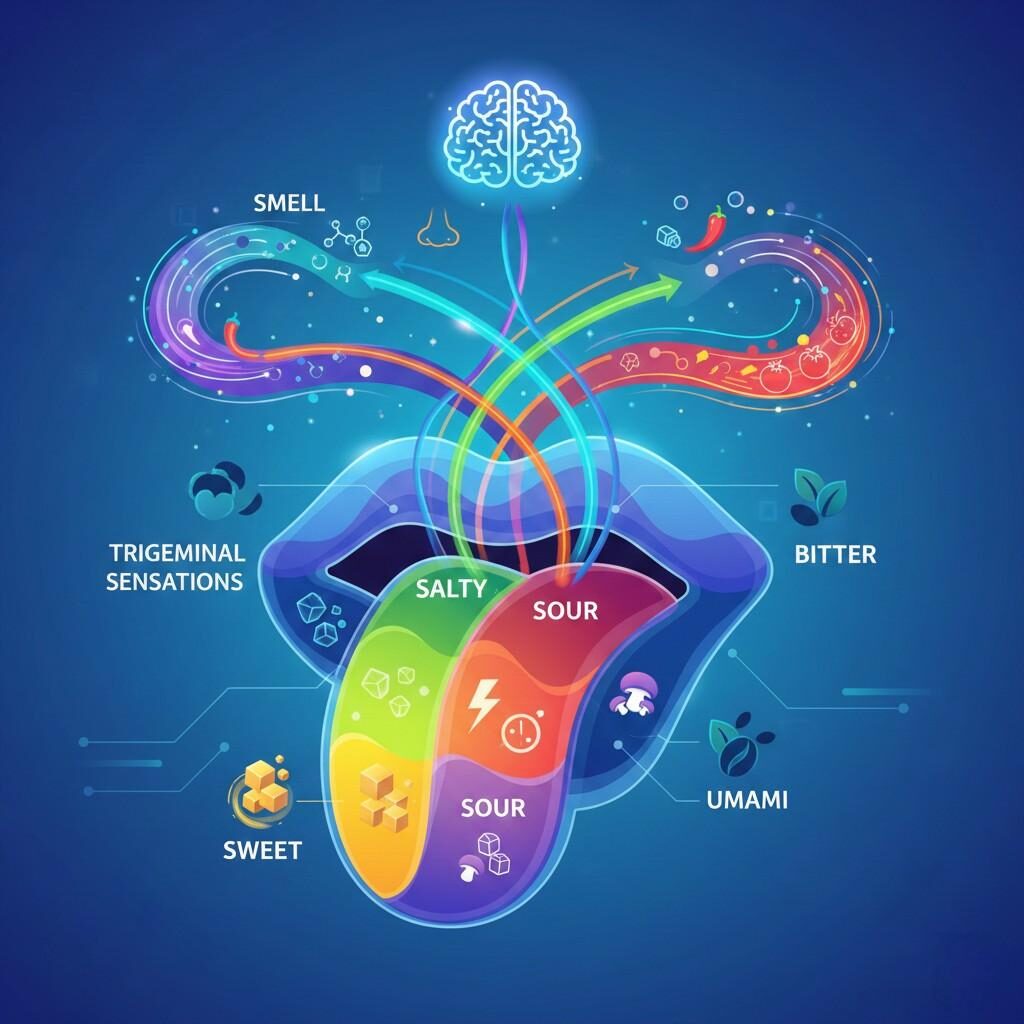
味觉与感官信息图
充满活力的全球食品饮料市场,织就了一幅多元文化、传统与丰富风味偏好的璀璨画卷。专业的风味制造商在穿梭于这片复杂的格局时,不仅仅是市场调研,更是一项关系到持续成长与创新的战略使命。在全球化日益加深的时代,消费者接触到来自世界各地的多样口味,理解并适应跨文化的风味偏好,成为开拓新兴市场、赢得竞争优势的关键所在。
本指南深入探讨全球味觉的多面世界,解析塑造人们饮食偏好的科学、文化与心理基础。为风味企业提供切实可行的策略,助其为特定国际市场量身定制产品,确保风味深得本地味蕾与文化期待。从东亚细腻的鲜味,到拉丁美洲浓烈的香料,再到欧洲经典的温馨熟悉,我们剖析驱动消费者选择的要素,并提出成功开发与开拓市场的策略。
味觉与感知科学:普遍的起点
在探讨文化差异之前,理解味觉感知的基础科学尤为重要,它为我们提供了普遍的认知框架。人类舌头上拥有味蕾,能感知五大基本味道:甜、酸、咸、苦和鲜味。除此之外,三叉神经感受器带来的刺激,如辣感(如辣椒的热度)、凉感(如薄荷)、收敛感(如未熟水果)以及脂肪的触觉感受,也在味觉体验中扮演重要角色。嗅觉系统,负责气味感知,占据味觉体验的80%以上,二者相互作用,共同构筑出丰富而复杂的味觉轮廓。
然而,即使在最基本的层面,由于基因遗传差异,个体偏好也存在差异。例如,TAS2R38基因影响苦味感知,使某些人对苦味极为敏感(“超感味者”),而另一些人则感知较弱(“非味者”)。这些遗传差异在文化因素介入之前,便能微妙地影响整体偏好。
文化影响:从出生起塑造味蕾
味觉的生物机制虽普遍存在,但偏好口味的培养却深受文化影响。从诞生那一刻起,个体便沉浸在特定的饮食环境中,塑造着他们的味蕾。这一文化熏陶过程由诸多关键因素共同驱动:
传统美食与主要食材
每一种文化都拥有以特定主料、烹饪方式和风味组合为基础的传统美食,这些传统经过数百年的演变,深深植根于人们的习惯之中,形成了对某些口味的深厚偏好。
- East Asia:米饭是主食,常配以酱油、姜、蒜及发酵品。鲜味作为第五大基本味,受到高度重视,常通过味精、蘑菇和高汤等增强。甜味常与咸鲜相平衡。
- Southeast Asia:以甜、酸、咸、辣的丰富平衡为特色。鱼露、青柠、辣椒、椰奶及香茅、香菜等香草香料随处可见。这些味道的相互融合,孕育出层次丰富、芳香浓郁的风味轮廓。
- Indian Subcontinent:芳香香料至关重要,南北方在风味上各具特色。北方以浓郁醇厚的咖喱为代表,南方则偏爱辛辣且带有酸角的菜肴。姜黄、孜然、香菜籽、豆蔻与辣椒,构筑出层次丰富、深邃的味觉世界。
- Middle East & North Africa (MENA):风味常融合甜咸元素,辅以肉桂、藏红花、孜然等香料,以及薄荷、香菜等草本植物。玫瑰水和橙花水在甜点中常见。豆类、羊肉和谷物是主要食材。
- Latin America:辣椒、玉米、豆类与番茄,构筑了众多地区菜肴的根基。地域差异显著,从墨西哥的复杂莫勒酱,到秘鲁的柑橘味酸橱,再到阿根廷的浓郁肉菜。辣味虽受欢迎,但辣度各异,层次丰富。
- Europe:欧洲菜肴虽多样,却普遍偏爱由肉类、奶酪与烤蔬菜所带来的鲜美、鲜味丰富的风味。迷迭香、百里香和罗勒等香草常见于其中。甜味多见于甜点,但近年来咸甜结合的趋势逐渐崛起。
传统风味轮廓并非一成不变,它们随着全球影响不断演变,但核心特质得以保留,为消费者的期待提供坚实的支撑。
社会与家庭的影响
家庭和社交圈是味觉偏好的强大裁判。儿童的偏好常常源自父母和同伴的影响。用餐多为群体共享,将特定风味与积极的社交互动和情感慰藉相联结。这种关联在心理层面形成深厚的归属感、怀旧情怀与幸福感。例如,一种令人安心的香料组合香气,可能唤起祖母烹饪的记忆,使其风味天生具有吸引力。
宗教与伦理饮食法规
宗教信仰和伦理考量深刻影响着饮食选择及风味偏好。清真(伊斯兰教)和犹太教(犹太教)的饮食法规规定了允许的食材和烹饪方式,风味制造商必须严格遵守。素食主义、纯素主义及其他植物性饮食趋势也在全球范围内不断增长,推动开发具有吸引力的植物性风味解决方案。这些限制不仅涉及避免某些成分,还会因缺少传统元素(如许多穆斯林地区的猪肉)而影响整体菜肴的风味特征。
媒体与全球化
在当今时代,媒体、旅游和互联网在塑造和丰富味觉偏好方面扮演着日益重要的角色。烹饪节目、美食博客和社交媒体让消费者接触到各种国际美食和食材,激发他们的尝试欲望。这种味道的全球化营造出一个传统偏好与新兴影响交汇的动态环境,推动融合菜系和对新奇味觉体验的追求。然而,尽管如此,人们对“正宗”地区风味的偏爱仍然根深蒂固,并与创新的热情并存。
全球市场产品定制:战略框架
成功为全球市场定制风味产品,需采取系统化策略,融合深厚的文化理解与严谨的科学方法。
深入的市场调研与感官分析
任何成功的全球风味策略,其基础皆为全面的市场调研。这不仅仅是识别流行菜肴,更在于洞察目标市场的感官偏好与风味格局。
- Ethnographic Studies:让研究人员深入当地文化,观察饮食习惯、购买行为及社交礼仪,为研究提供宝贵的背景信息。
- Consumer Panels and Focus Groups:通过本地消费者的感官评估,收集对风味轮廓、强度及质感的反馈意见。利用专业感官评审团队,识别标杆本地产品中的关键香气与味道成分。
- Preference Mapping:采用先进的统计技术,将消费者偏好与各种产品的感官特性进行映射,有助于发现新产品开发的“空白市场”或现有产品需改进的领域。
- Analysis of Local Ingredients and Culinary Techniques:了解某一地区常用的香料、草药、油脂及烹饪技艺,有助于选择与调配风味成分,打造地道风味。例如,使用的辣椒类型(如安乔辣椒与指天椒)会极大改变风味格局,超越单纯的辣度。
风味本土化与全球化的平衡艺术
风味制造商面临关键抉择:是完全本地化风味,还是在保持核心风味的基础上进行小范围区域调整以实现全球化。
- Extreme Localization:此策略旨在为目标市场开发全新风味配方,忠实再现当地传统风味。虽耗费大量人力,但凭借消费者的高度认可,能实现显著的市场渗透。例如,为印度南北不同地区调配专属“马萨拉”混合香料,或打造忠于韩国发酵、辛辣与鲜味的“泡菜”风味。
- Managed Globalization (Glocalization):此策略在于打造具有广泛吸引力的核心风味轮廓,再根据区域偏好进行有针对性的调整。例如,“辣鸡”风味在欧洲市场可调得较温和,在东南亚则更辣,在拉丁美洲加入烟熏风味,以实现规模经济的同时满足本地口味。
- Universal Appeal:某些风味如香草、巧克力及部分水果味,具有较强的普遍吸引力,但即便如此,细微的文化调整——如甜度或伴随的风味特色——仍能增强其魅力。例如,部分文化偏好浓郁偏苦的黑巧克力,而另一些则偏爱奶香浓郁、甜度较高的风味。
在这些策略之间的选择,取决于产品类别、目标受众及整体商业目标。

全球风味图谱
法规遵从与原料采购
进入全球市场还需严格遵守各国的法规,确保产品符合其食品安全标准、成分标示和标签规定。
- Approved Additive Lists:不同地区对风味化合物及食品添加剂的批准列表各异。
- Allergen Labeling:严格遵守当地过敏原信息披露法规至关重要。
- Halal/Kosher Certification:针对特定宗教群体的产品,获得相应的认证是必不可少的。
- Clean Label Trends:全球范围内倡导“清洁标签”产品,强调无人工添加、成分可识别,深刻影响原料选择与风味配方。这通常意味着偏好天然香料提取物与天然成分。
可靠且符合道德的原料采购至关重要,确保高品质原料的稳定供应,了解其来源,并遵循可持续发展原则,已成为消费者与监管机构共同关注的重点。
科技与创新的作用
先进技术在跨文化风味开发中扮演着关键角色。
- Analytical Chemistry:气相色谱-质谱(GC-MS)与液相色谱-质谱(LC-MS)等技术,在识别和定量传统菜肴中负责特定风味的挥发性与非挥发性化合物方面至关重要,从而实现精准复制与创新。
- Sensory Science Tools:先进的感官评价软件与经过专业训练的评审团队,能够系统性地解析风味轮廓,精准识别关键特性及其强度。
- AI and Machine Learning:新兴技术如人工智能可以分析海量的消费者偏好、成分交互和市场趋势数据,预测成功的口味组合并优化配方。这将大大加快研发进程。
- Encapsulation Technologies:这些技术能够保护挥发性风味化合物,延长保质期,并确保风味在最佳时机释放,尤其适用于复杂而细腻的风味轮廓。
跨文化风味适应的案例研究
研究成功案例可以提供切实可行的洞察:
- Coca-Cola:尽管其核心配方全球通用,可口可乐常常根据地区调整甜度,推出本土化的变体(如采用不同的糖替代品,或融入当地水果风味,如秘鲁的‘印加可乐’,因其在本土的盛行而成为可口可乐系列的一部分)。
- McDonald’s:全球化的风味大师麦当劳,除其全球经典菜单外,还提供本土化的特色菜肴。如印度的“麦辣奶酪块”、日本的“照烧汉堡”以及印度的“麦Aloo Tikki”(土豆饼汉堡),皆为融合本土风味的典范。
- Unilever (Knorr Bouillon):家乐牌提供丰富的高汤和汤料系列,涵盖非洲市场的浓郁鸡汤块,以及拉丁美洲炖菜的特色香料混合,充分贴合各地烹饪传统。
这些例子彰显了在坚守品牌本质的同时,尊重本地味觉偏好的重要性。
全球背景下特定味觉特性的细微差别
让我们深入探讨不同文化中人们对具体味觉特性的感知与偏好。
1.甜味
虽具有普遍吸引力,但偏好因人而异,彰显个性与文化的多样性。 intensity 与 type 的甜度变化极为显著。
- Southeast Asia and Latin America:偏好在饮料和甜点中展现更明亮、更浓郁的甜味,有时配以酸味或辛辣味相互平衡。
- Japan:偏好较为克制的甜味,常伴有鲜味或微妙的苦味(如抹茶)。
- Europe:不同地区对甜味的偏好各异,有的偏爱浓郁奢华(如法式糕点),有的则偏好细腻淡雅。
- Sugar Reduction Trends:在全球范围内,健康意识的提升推动了减糖潮流。风味制造商需研发优质的天然与人工甜味剂,以及能够在降低糖分的同时保持令人满意的甜味和口感的调味技术。这一领域尤为具有挑战性,因为替代糖不仅要考虑甜度,还要兼顾口感和质感。
二。咸味
盐作为基础的调味料,其应用方式各异。
- Mediterranean and Middle Eastern Cuisines:常带有橄榄、腌制肉类及奶酪等咸味浓烈的元素。
- East Asian Cuisines:大量依赖酱油及其他发酵产品,打造丰富的鲜味咸香。
- Western Fast Food:为了提升口感,往往会增加钠含量。
- Sodium Reduction:与糖类似,全球范围内推动减钠以应对健康问题。风味企业需开发能增强咸味感或放大咸鲜味的天然调味剂,以在不牺牲口感的前提下降低钠含量。酵母提取物、水解植物蛋白及特定香料混合物是关键工具。
3.酸味
酸味的类型与强度具有高度的文化特性。
- Southeast Asia and Latin America:迎合青柠、罗望子和醋带来的明亮锐利的酸味,常用以平衡浓郁或辛辣的风味。
- Eastern Europe:发酵产生的酸味(如酸菜、腌黄瓜)是一种常见且备受珍视的风味。
- Western Europe and North America:酸味在水果制品、部分乳制品(如酸奶)及柑橘类应用中常受喜爱,但在特定菜肴之外,作为主要咸味的情况较少见。
- Fruity vs. Fermented Sourness:区分浆果的酸味与发酵卷心菜的浓烈酸味,对于打造正宗风味至关重要。
4。苦味
苦味乃最为复杂的味觉之一,常与毒素联想,但在诸多料理中却深得人们喜爱,彰显其独特魅力。
- Coffee, Tea, Dark Chocolate:苦味产品在全球范围内普遍受众,但在烘焙程度、冲泡浓度与甜度偏好上存在文化差异。
- Mediterranean and East Asian Cuisines:苦味蔬菜如菊苣、紫菊苣和苦瓜,以其复杂的风味和被认为的健康益处而受到青睐。
- Hopped Beverages:啤酒的苦味源自啤酒花,已成为其鲜明特色,全球范围内人们欣赏其独特口感,手工啤酒潮流更不断推陈出新,带来前所未有的苦味体验。
- Bitterness Masking/Modulation:在某些应用中,尤其是药品或功能性食品,掩盖不良苦味是关键难题;而在咖啡或啤酒等产品中,则追求在不失去平衡的前提下增强令人愉悦的苦味。
5。鲜味
鲜味,常被描述为鲜美、浓郁或肉香味,现已被全球公认为五大基本味之一,尽管在某些文化中对其的认知和欣赏更为深厚。
- East Asia:鲜味核心,通过味精、昆布、蘑菇及发酵产品(如酱油、味噌)等原料得以增强。
- Mediterranean:帕尔马干酪、熟透的番茄、蘑菇和腌制肉类是鲜味的重要来源。
- Global Trend:全球范围内对鲜味(Umami)的认知与欣赏日益提升,推动对天然鲜味增强剂在植物性及咸鲜应用中的需求。酵母提取物、植物提取物及特定氨基酸,成为打造浓郁鲜美风味的关键元素。
6。辛辣(辣度/热度)
对辛辣程度的感知与偏好差异极大。
- Southeast Asia, Indian Subcontinent, Latin America:体验来自各种辣椒的高浓度辣椒素引发的火热感。然而,即使在这些地区, type 的辣度及伴随而来的风味(如烟熏、果香、辛烈)至关重要。
- Western Markets:对中高辣度的接受度不断提高,常与甜味或酸味相平衡(如沙拉酱、甜辣酱)。
- Cooling Sensations:除辣之外,薄荷、薄荷脑及某些草本植物带来的凉感三叉神经刺激,在中东和印度等地的烹饪中备受珍视,用以平衡浓郁或辛辣的佳肴。
- Controlling Heat Profile:风味制造商必须擅长控制的不仅是 intensity 的辣度(斯科维尔单位)以及其 onset, duration逢其佳节,良辰美景共赏 mouthfeel (例如,辛辣、回味悠长、麻木感).
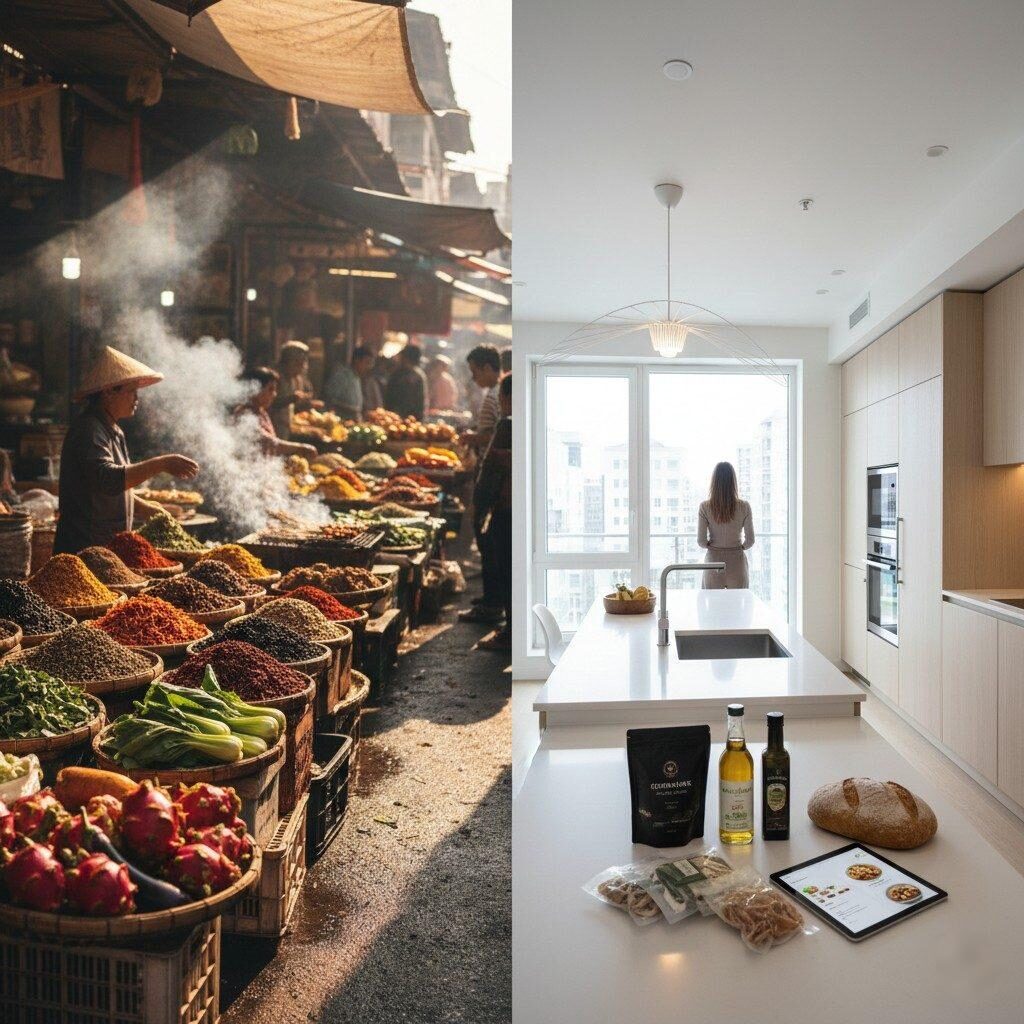
东西方美食的对比
打造全球风味组合:制造商的实用步骤
- Invest in Global Sensory Capabilities:在关键目标地区建立或合作感官实验室,招聘并培训了解当地口味细节的感官科学家和品鉴员。
- Develop a “Cultural Atlas” of Flavors:有条不紊地记录并分类各目标市场的偏好风味、主要原料及烹饪技艺,此活文档应定期更新。
- Prioritize Natural and Authentic Ingredients:随着全球消费者对天然的追求日益增强,强调采用天然香料提取物、精油及仿真正味的化合物,源头透明亦成为重要趋势。
- Embrace Modular Flavor Systems:开发便于定制的风味体系,基础风味可通过特定的顶级香气或调节剂,灵活调整以实现地域差异,无需从零开始。
- Collaborate with Local Food Experts:与当地厨师、食品技术专家和烹饪机构合作,他们的见解对于打造地道风味和掌握新兴趋势具有重要价值。
- Stay Ahead of Health and Wellness Trends:研发支持健康配方的风味(减糖、减钠、植物性及功能性成分),常用风味调节剂,增强甜味、咸味或鲜味的感受。
- Monitor Regulatory Changes Continuously:设立专门团队或资源,持续关注目标市场不断变化的食品法规和标签要求。
全球风味的未来:趋势与机遇
全球风味格局不断演变,为制造商带来新的挑战与机遇:
- Fusion Flavors:不同烹饪传统的融合不断受到青睐,创造出新颖而令人振奋的味觉体验(如韩式塔可、寿司卷饼)。这需要在传统风味的基础上发挥创造力。
- Plant-Based Revolution:全球对植物性食品与饮料的需求迅速攀升,风味制造商在使这些产品美味诱人方面扮演着关键角色,借助植物原料复制肉类、乳制品及其他传统风味。
- Sustainability and Transparency:消费者对可持续采购、伦理实践及成分透明度的需求日益增长。源自可持续实践的风味,将成为竞争中的优势所在。
- Personalization:数据分析乃至基因组学的突破或将引领未来的极致个性化风味推荐,虽尚处萌芽阶段。
- Comfort and Nostalgia:在不确定时期,消费者倾向于选择熟悉且令人安心的味道。这为以怀旧风味为基础、结合特定文化背景的创新提供了良机。
- Functional Flavors:不仅美味且具有健康益处的风味(如掩盖功能性成分的苦味或增强“健康”感知的风味)正逐渐成为新的发展方向。
结语
风味的世界丰富而复杂,令人着迷无比。对于专业的食品饮料风味制造商而言,理解跨文化偏好不仅关乎风味的复制,更在于与消费者建立深层次的情感连接。结合科学严谨与文化共鸣、市场策略与技术创新,以及对纯粹的追求,方能成功为全球市场量身定制产品。这不仅带来商业的成功,更是对人类味觉多样性与美妙画卷的热情庆典。掌握跨文化风味开发的艺术与科学者,必将在未来引领潮流,开创辉煌。
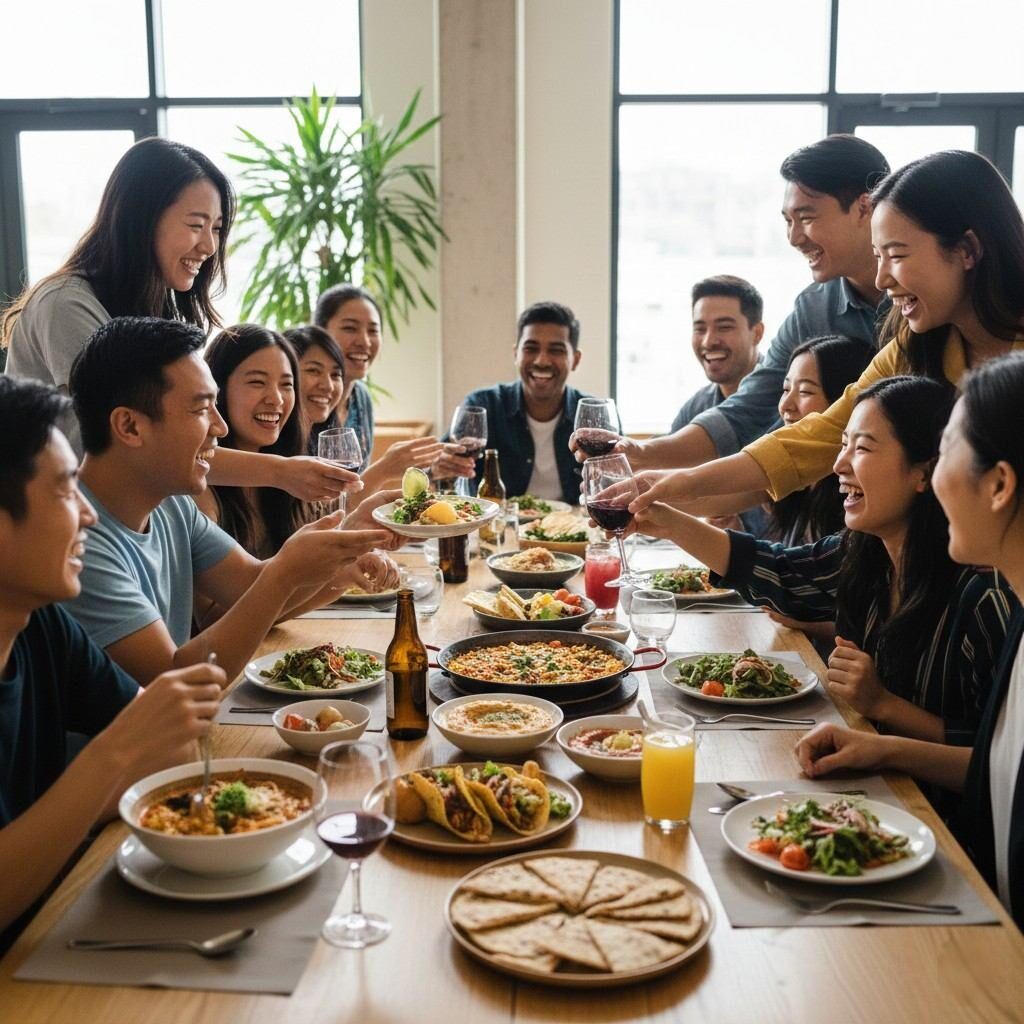
全球美食盛典
行动召唤:
您是否渴望打造地道而令人难忘的风味,以打动全球消费者?携手合作,共同探索跨文化风味创新的无限可能。联系我们的技术团队,获得个性化咨询,或索取我们的尖端风味样品。让我们携手,共绘未来味觉的新篇章。
📧 邮箱: [信息@cuiguai.com]
🌐 网站: [www.cuiguai.cn]
📱 WhatsApp: [+86 189 2926 7983]
☎ 电话: [+86 0769 8838 0789]