
Автор: Команда научных исследований и разработок, CUIGUAI Flavoring
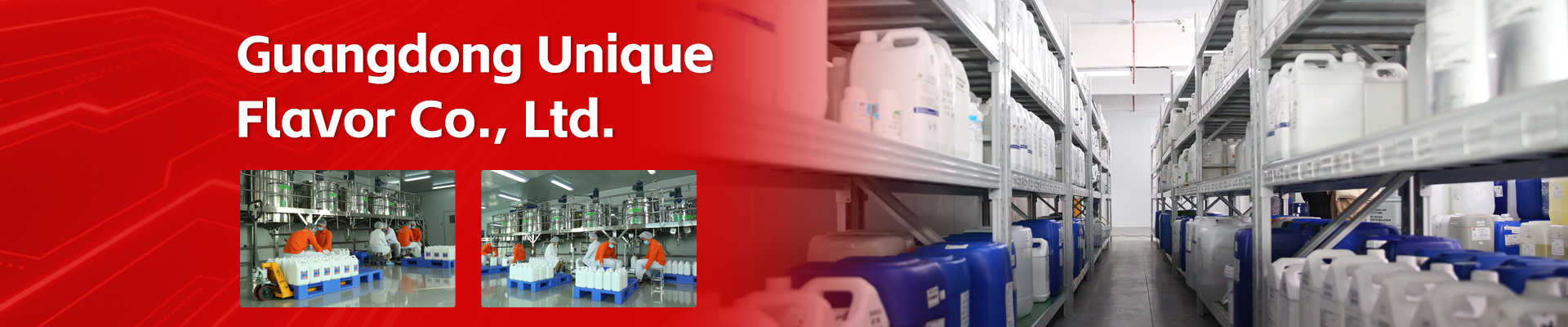
Опубликовано: Guangdong Unique Flavor Co., Ltd.
Последнее обновление: 23 мая 2026 года
WhatsApp и Telegram: +86 189 2926 7983

Лабораторный анализ
В стремительно развивающемся мире мировой индустрии продуктов питания и напитков поиск уникальных, аутентичных и запоминающихся вкусовых профилей является приоритетом. Однако пересечение передовой химии ароматизаторов и строгих рамок безопасности пищевых продуктов создает сложную матрицу, которую производители ароматизаторов и бренды должны тщательно учитывать. Для наших клиентов, работающих в рамках Евразийского экономического союза (ЕАЭС) и на международных рынках, понимание тонкостей влияния регулирования «Новых продуктов питания» на разработку ароматизаторов — не просто юридическая обязанность, а важнейший элемент стратегической научно-исследовательской работы (НИОКР).
Будучи специализированным производителем высокотехнологичных пищевых и напитковых ароматизаторов, мы осознаем, что соблюдение нормативных требований определяет границы инноваций. Этот всесторонний технический гид исследует, как новые регуляции в области пищевых продуктов — от Европейского агентства по безопасности пищевых продуктов (EFSA) до стандартов TR CU ЕАЭС — формируют процессы разработки, тестирования и коммерциализации ароматизаторов следующего поколения.
Прежде чем углубляться в конкретные аспекты влияния на ароматическую химию, важно определить, что считается «новым продуктом питания» в различных юрисдикциях, поскольку это определение существенно влияет на регуляторные пути для ингредиентов ароматизаторов.
В Европейском союзе новый продукт питания определяется как любой продукт, который не употреблялся в значительных количествах людьми в ЕС до 15 мая 1997 года. Это включает новые, инновационные продукты, продукты, созданные с использованием новых технологий и производственных процессов, а также продукты, которые традиционно употребляются за пределами ЕС. Согласно данным Европейского управления по безопасности пищевых продуктов (EFSA), внедрение таких материалов требует строгой оценки безопасности до выхода на рынок [1].
В США система основана в значительной степени на концепции GRAS (Общепризнано безопасным). Если разрабатывается новый ароматический соединение или экстракт, он должен быть одобрен в качестве пищевой добавки или пройти строгий процесс самодекларации или уведомления FDA о статусе GRAS. Ассоциация производителей ароматизаторов и экстрактов (FEMA) играет ключевую роль, привлекая экспертную комиссию для оценки безопасности ингредиентов при предполагаемых условиях использования [2].
Для российского рынка и соседних стран ЕАЭС регуляторная среда в значительной степени регулируется Техническими регламентами Таможенного союза (ТР ТС). Основной документ, регулирующий ароматизаторы, — TR CU 029/2012«Требования безопасности к пищевым добавкам, ароматизаторам и технологическим вспомогательным средствам».
В контексте российских и ЕАЭС стандартов внедрение «нового» ингредиента — будь то новый растительный экстракт, синтезированная молекула, ранее не используемая в регионе, или ингредиент, полученный методом точной ферментации — требует строгого соблюдения стандартов GOST и деклараций о безопасности. Евразийская экономическая комиссия (ЕЭК) требует проведения строгих токсикологических, органолептических и физико-химических оценок перед включением любого нетрадиционного ароматизатора в коммерческую продукцию [3].
Для технологов пищевой промышленности и менеджеров по закупкам это означает, что подбор ароматизаторов — это не только вопрос вкуса; это проверка соответствия каждого компонента смеси требованиям Технического регламента Таможенного союза 029/2012 и 021/2011 (Безопасность пищевых продуктов).
Как широкие концепции «новых продуктов питания» напрямую воздействуют на ароматизаторы? Обычно ароматизаторы добавляются в очень локализованных, минимальных количествах (части на миллион или миллиард). Однако стремление к натуральным, устойчивым и экзотическим профилям приводит компании по производству ароматизаторов в правовые серые зоны.
Стремление к экзотическим и натуральным профилям вкуса (например, баобаб, монастырский фрукт, определённые тропические смолы и редкие лекарственные грибы) зачастую активирует положения о новых продуктах. Если российская компания по производству напитков захочет выпустить энергетический напиток с редким амазонским ягодным экстрактом для придания вкуса, этот экстракт может не иметь истории безопасного употребления в ЕАЭС или ЕС.
Следовательно, производитель ароматизаторов должен либо:
Самым значительным прорывом в современной исследовательской и разработческой работе в области ароматов является появление прецизионного ферментирования и синтетической биологии. Вместо извлечения ванили из ванильных орхидей учёные могут генно модифицировать дрожжи для производства натурального ванилина. Хотя конечная молекула (ванилин) химически идентична своему растительному аналогу, processЭто изготовление является новаторским.
Регуляции все более внимательно контролируют производственный процесс. В рамках ЕАЭС и глобальных стандартов, если ароматический компонент производится с помощью генетически модифицированных микроорганизмов (ГММ), производитель обязан убедительно доказать отсутствие рекомбинантной ДНК и самого ГММ в конечном продукте. Это значительно влияет на этапы очистки и последующей обработки, увеличивая сроки и затраты на исследования и разработки.

Регуляторные пути
Облачко новых правил в области пищевых продуктов трансформирует фундаментальные основы создания вкуса. Оно вынуждает ароматизаторов (химиков по ароматам) работать в рамках строго ограниченного спектра, особенно при разработке продукции для международных рынков.
Палитра исходных материалов ароматизатора включает тысячи одобренных ароматических химикатов, эфирных масел, абсолютов и олеорезинов. Когда клиент запрашивает передовой, полностью натуральный аромат, полученный из недавно обнаруженного ботанического источника, мастер по ароматам немедленно обращается в отдел регулирования.
Если ингредиент признается «новым», команда НИОКР сталкивается с выбором:
В Cuiguai мы специализируемся на использовании нашей обширной библиотеки полностью соответствующих стандартам высококачественных соединений для создания сложных профилей. Ознакомьтесь с нашим каталогом, чтобы понять, как мы достигаем таких аутентичных профилей без регуляторных рисков. our advanced flavoring products.
Регламенты по новым продуктам требуют беспрецедентного уровня аналитической прозрачности. Раньше было достаточно заявлять, что аромат — «натуральный». Сегодня, особенно в рамках TR CU 029/2012 ЕАЭС, власти требуют подробных спецификационных листов с указанием:
Для удовлетворения этих требований, компании по производству ароматов должны вкладывать значительные средства в передовые методы хроматографии (ВЭЖХ, ГХ-ФИД, ГХ-МС), чтобы детально картировать каждую молекулу в новой ароматической матрице.
Для наших российских клиентов важно понять особенности Евразийского экономического союза. Регламент ТР ТС 029/2012 строго регламентирует критерии безопасных ароматизаторов.
В отличие от некоторых юрисдикций, где ароматизаторы объединены в общие категории, ЕАЭС чётко разграничивает:
Если соединение ароматизатора не входит в разрешённый список по ТР ТС 029/2012, его внедрение рассматривается как новый продукт питания. Производитель обязан представить строгий научный пакет документов в Евразийскую экономическую комиссию или национальные органы здравоохранения (например, Роспотребнадзор в России). Этот пакет требует:
Поскольку этот процесс требует значительных ресурсов, российские производители продуктов питания в значительной степени полагаются на специализированных партнеров по ароматизаторам, обладающих строго соответствующими портфелями. Заказывая у таких производителей, бренды снижают регуляторные риски и обеспечивают беспрепятственный таможенный и рыночный вход.

Ботанические ингредиенты
Как лидеры отрасли продолжают инновации в области вкусовых профилей, несмотря на расширяющиеся регламенты по новым продуктам питания? Ответ кроется в технологическом совершенстве и проактивной регуляторной разведке.
Вместо поиска совершенно новых, неподтвержденных ботанических компонентов, компании по производству ароматизаторов используют передовые методы физического извлечения. existing, approvedТехники, такие как сверхкритическая экстракция CO2, молекулярная дистилляция и технология вращающегося конуса, позволяют нам извлекать совершенно новые, высококонцентрированные ароматические фракции из традиционных ингредиентов.
Поскольку исходный материал (например, стандартное яблоко или кофейное зерно) не является новым продуктом питания, а метод экстракции — разрешенным физическим процессом, полученный высокоэффективный компонент вкуса зачастую обходят строгую классификацию как нового продукта, при этом предоставляя инновационный вкусовой опыт.
Еще одной важной областью инноваций, затронутой регулированием, является разработка модуляторов вкуса — соединений, которые сами по себе не обладают ярким вкусом, но изменяют восприятие других вкусов (например, усилители сладости, маскировщики горечи).
Они чрезвычайно популярны в стратегиях снижения содержания сахара. Однако международные регуляторные органы часто обсуждают, следует ли классифицировать их как ароматизаторы, новые продукты или пищевые добавки. Согласно последним отраслевым руководствам и юридическим обзорам, категория зависит в значительной мере от основной функции и биологического механизма соединения [4]. Обеспечение правильной юридической классификации и соответствия этим модуляторам — важнейшая компетенция ведущих производителей ароматов.
Соответствие — это не разовое событие, а непрерывный процесс. Для производителей, экспортирующих в Россию или работающих на ее территории, обязательным является постоянное обновление деклараций о соответствии. Это включает:
Чтобы быть в курсе последних изменений в технологиях ароматизации, управлении цепочками поставок и стратегиях регуляторного соответствия, мы настоятельно рекомендуем специалистам отрасли регулярно обращаться к our technical blog.
Оглядываясь в будущее, двойное давление экологической устойчивости и требований к безопасности пищевых продуктов сформируют ароматизаторы следующего поколения.
Существует масштабное движение по созданию ароматизаторов из сельскохозяйственных побочных продуктов (апсайклинг)—например, извлечение цитрусовых масел из отходов соковой промышленности или создание солёных вкусов из использованных дрожжей пивоварения. Хотя это крайне экологично, такие ингредиенты часто подвергаются строгому регуляторному контролю. Концентрированы ли в побочном продукте остатки пестицидов? Образовались ли новые токсикологические опасности вследствие разложения отходов? Разработчики ароматов должны применять строгие рамки безопасности к этим устойчивым источникам, прежде чем они смогут быть коммерциализированы.
Для международных производителей конечной целью является гармонизация нормативных требований. Несмотря на то, что ЕС, FDA и ЕАЭС придерживаются различных нормативных рамок, все большее значение приобретает международное сотрудничество с такими органами, как Совместный комитет экспертов ФАО/ВОЗ по добавкам к пище (JECFA), который предоставляет базовые данные по безопасности. Совмещение стратегий разработки с рекомендациями JECFA зачастую обеспечивает наиболее беспрепятственный путь к соответствию в нескольких регионах, позволяя экспортировать напитки, разработанные в Москве, в Минск, Пекин и за их пределы без необходимости дорогостоящей переработки ароматизаторов.
Влияние новых правил в области пищевых продуктов на развитие вкуса имеет глубокое значение. Оно определяет используемые сырьё, применяемые технологии, процедуры испытаний и сроки выхода продукции на рынок. Для российских производителей продуктов питания и напитков навигация по TR CU 029/2012 в сочетании с глобальными трендами в области новых продуктов требует не только поставщика ароматизаторов, но и квалифицированного технического партнёра.
В Cuiguai мы соединяем органолептическое совершенство с безкомпромиссным соблюдением нормативных требований. Наши мастера по ароматам и эксперты по регулированию работают в тандеме, чтобы каждая капля нашего продукта была безопасной, стабильной, тщательно задокументированной и идеально адаптированной к вашему целевому рынку. Будь то разработка передового функционального напитка или переосмысление классического кондитерского изделия — наш опыт гарантирует, что ваши инновации никогда не столкнутся с регуляторными препятствиями.
Узнайте, как наши индивидуальные решения могут повысить успех вашего следующего запуска продукта, исследуя наш ассортимент custom beverage flavorings.

Производство ароматизаторов
Навигация по регламентам ароматизаторов не должна замедлять ваши исследования и разработки. Сотрудничайте с специализированным производителем, понимающим строгие требования российского и мирового рынков.
Обратитесь к нашей технической команде уже сегодня для получения консультации по нормативным вопросам или запроса бесплатного образца наших полностью соответствующих, высокоэффективных ароматизаторов для тестирования в вашей следующей рецептуре.[Свяжитесь с нами / Запросите бесплатный образец здесь]
| Канал связи | Подробности |
| 🌐 Веб-сайт: | www.cuiguai.cn |
| 📧 Электронная почта: | информация@капризный.com |
| ☎ Телефон: | +86 0769 8838 0789 |
| 📱 WhatsApp: | +86 189 2926 7983 |
| 📱 Телеграм: | +86 189 2926 7983 |
| 📍 Адрес фабрики | Комната 701, здание 3, № 16, Южная дорога Бинчжун, город Даодзяо, город Донгуань, провинция Гуандун, Китай |
[1] Европейское управление по безопасности продуктов питания (EFSA). «Обзор новых продуктов и нормативная база». efsa.europa.eu.
[2] Ассоциация производителей ароматизаторов и экстрактов (FEMA). «Программа оценки GRAS FEMA: обеспечение безопасности ароматизаторов». femaflavor.org.
[3] Евразийская экономическая комиссия. «Технический регламент Таможенного союза TR CU 029/2012: Требования безопасности для пищевых добавок, ароматизаторов и технологических вспомогательных средств».
[4] Обзорные статьи в области науки о продуктах питания и безопасности. «Регуляторная классификация модуляторов вкуса и усилителей сладости на мировых рынках». Институт технологий пищевой промышленности (IFT).
Авторское право © 2025 Guangdong Unique Flavor Co., Ltd. Все права защищены. Return and Exchange Policy


